What symptoms might you notice?
High blood pressure often causes no symptoms. Having no symptoms does not mean your blood pressure is normal. The most reliable approach is to measure it regularly.
If very high blood pressure comes with a severe headache, chest pain, shortness of breath, problems with vision, difficulty speaking or weakness in an arm or leg, call 112 (the emergency number in Türkiye) or your local emergency number.
When it does cause symptoms, the following are the most common. They can also have other causes:
- Headache, felt especially at the back of the neck
- Dizziness
- Nosebleeds
- Ringing in the ears
What you can do in daily life
Lifestyle matters as much as medication in controlling blood pressure. The steps below help to lower blood pressure and also support the effect of your medicines.
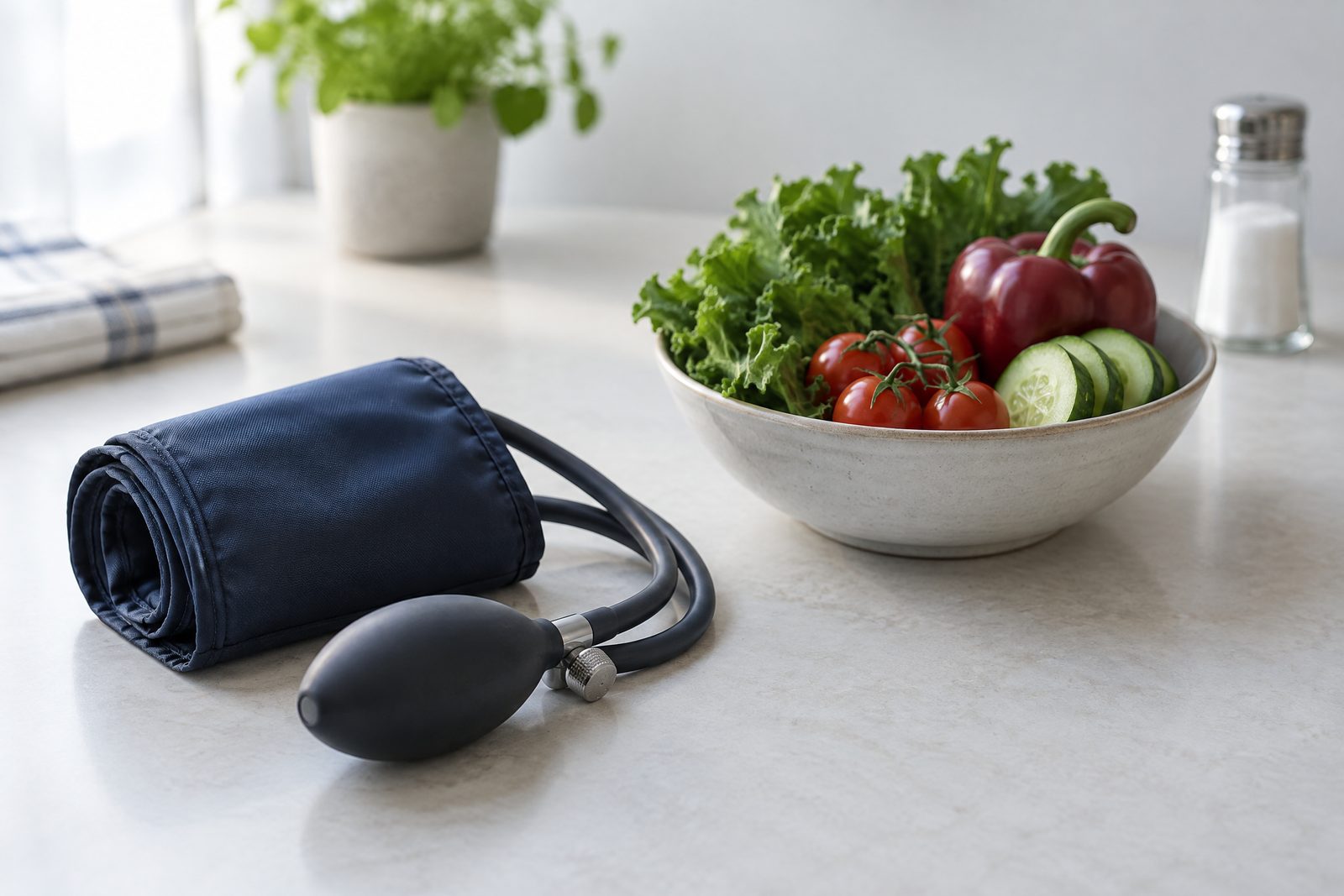
- Limit salt. Do not add salt to your food at the table, and watch out for hidden salt in pickles, brined foods, processed meats and ready-made foods.
- Keep your weight under control. Losing even part of your excess weight has a positive effect on blood pressure.
- Eat plenty of fibre. Give more space on your table to vegetables, fruit, pulses and whole grains.
- Be active regularly. Brisk walking on most days of the week is a good start. Talk to your doctor before starting a new exercise programme.
- Do not smoke, and limit alcohol.
- Look after your sleep and find ways of coping with stress that suit you.
Taking your medicines regularly
Lifestyle changes are not always enough on their own. If your doctor has started you on medication, you need to take it every day, at the recommended time and dose. Blood pressure returning to normal shows that the treatment is working, not that you no longer need the medicine. Stopping the medicine or changing the dose on your own can cause your blood pressure to rise again.
If you notice a side effect that you think is caused by your medicine, talk to your doctor instead of stopping it. In most cases the problem is solved by adjusting the dose or changing the medicine.
Painkillers and some cold remedies can raise blood pressure. Check with your doctor or pharmacist before using them.
Measuring your blood pressure at home
A single high reading is not enough to diagnose hypertension. Excitement, pain or tiredness can raise blood pressure temporarily. The average of readings taken on different days gives more accurate information. Your target blood pressure is set by your doctor according to your age and any other conditions you have.
Readings taken at home give your doctor valuable information for monitoring your treatment. For an accurate result, keep the following in mind:
- Sit quietly for a few minutes before measuring.
- Do not have tea, coffee or a cigarette in the half hour before measuring.
- Sit with your back supported, your feet on the floor and your arm at heart level.
- Use an approved device that measures from the upper arm.
- Write down the results with the date and time, and take them with you to your check-ups.