The most common symptoms
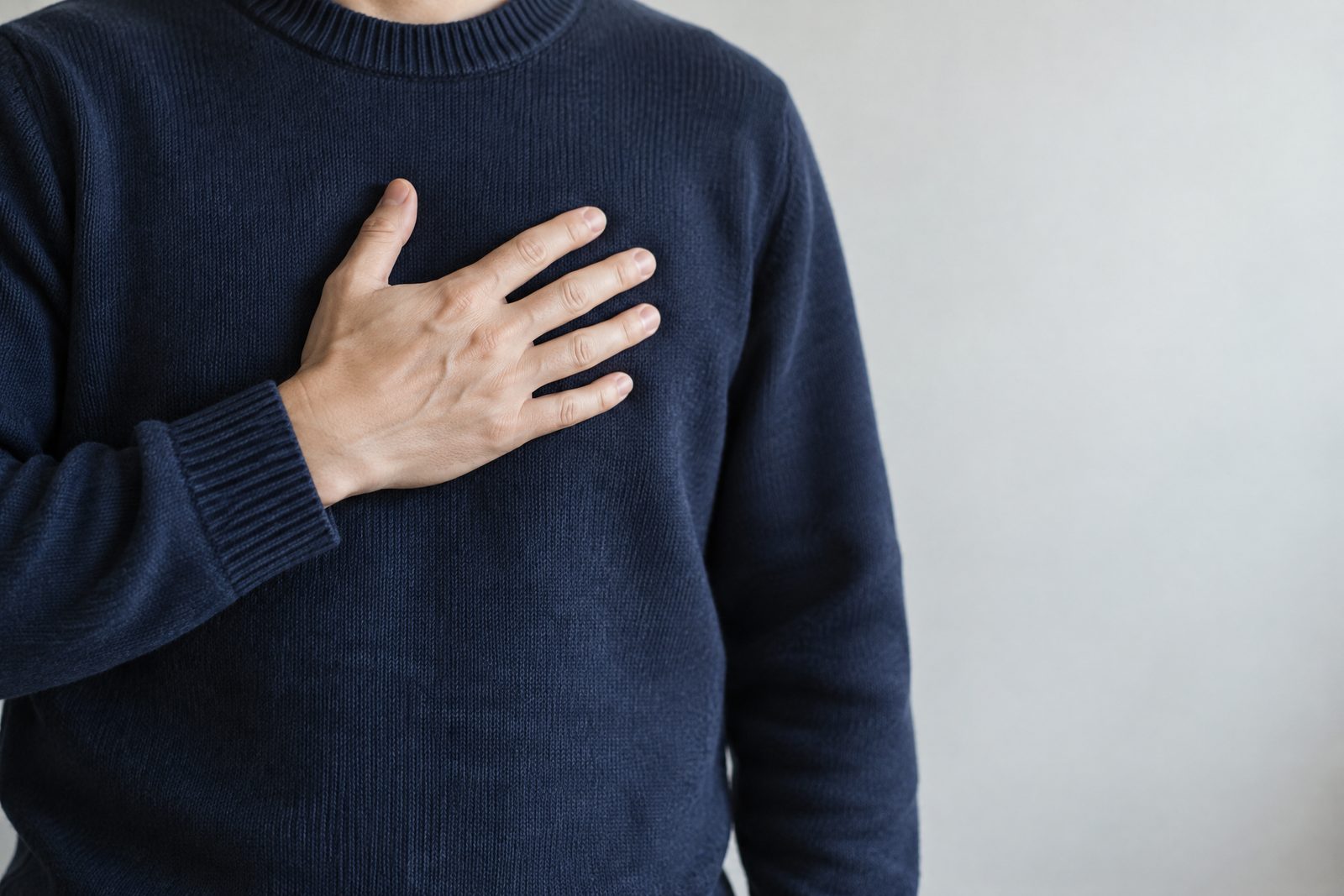
Symptoms vary from person to person, and they do not all have to be present together. The most common are:
- Tiring easily: getting tired quickly and feeling weak during tasks you used to do comfortably.
- Shortness of breath: felt at first when climbing stairs or walking uphill, and later on level ground and even at rest.
- Waking at night short of breath: waking with a feeling of suffocation some time after falling asleep, and feeling better when you sit up.
- Needing to sleep propped up: becoming breathless when lying flat, and so sleeping on more than one pillow or half sitting.
- Palpitations: being aware of your heart beating fast or irregularly.
- Swelling in the legs and abdomen: fluid building up in the ankles, legs and abdomen.
- A dry cough that gets worse when lying down, and passing urine often at night.
Why do swelling and weight gain matter?
Fluid that builds up in the body is called oedema. Oedema is first noticed in the ankles. Socks leaving a clear mark or shoes starting to feel tight may be the first signs. When fluid builds up in the abdomen, you may have bloating, loss of appetite and a feeling of getting full quickly.
Rapid weight gain over a few days is usually fluid build-up, not fat. This is why people diagnosed with heart failure are advised to weigh themselves every morning under the same conditions. If your weight goes up noticeably in a short time, let your doctor know.
What conditions can lead to heart failure?
Heart failure is usually the result of another health problem. Thyroid disease, anaemia, heavy alcohol use and some chemotherapy medicines can affect the heart.
The most common causes are listed below. If you have one of them, you need to watch for symptoms more closely:
- Coronary artery disease and a previous heart attack
- High blood pressure that has gone uncontrolled for a long time
- Heart valve disease
- Heart rhythm disorders
- Diseases of the heart muscle
- Diabetes
When should you see a doctor, and when should you call for emergency help?
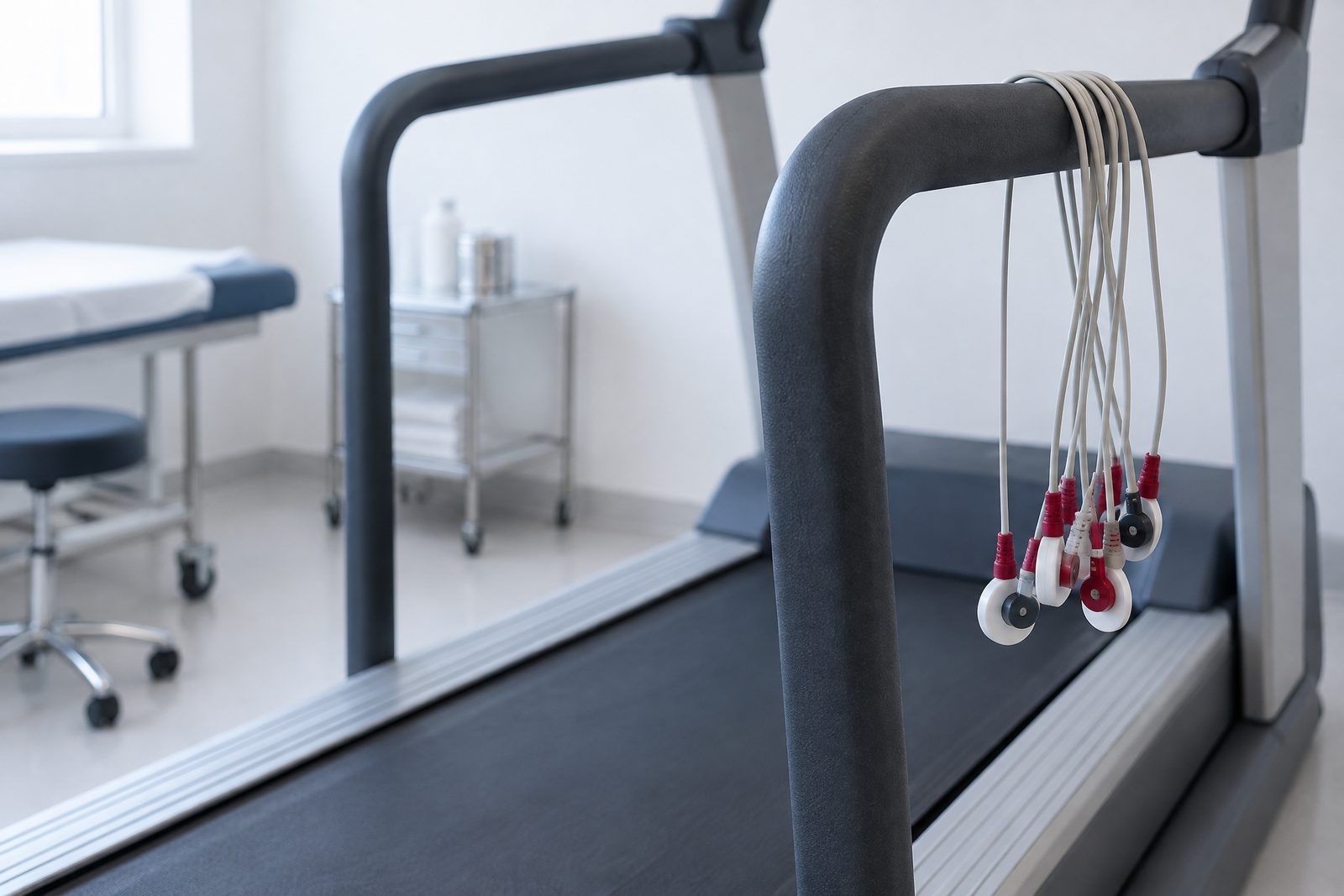
Shortness of breath, tiredness and swelling that are new or getting worse should be assessed by a doctor. Diagnosis involves an examination, an ECG (a recording of the heart's electrical activity), blood tests and an echocardiogram (an ultrasound scan of the heart).
If you have severe shortness of breath at rest, frothy or pink phlegm, chest pain, fainting or bluish lips, call 112 (the emergency number in Türkiye) or your local emergency number without waiting.
Heart failure is treated with medicines, attention to salt and fluid balance, regular follow-up and, where needed, devices or interventional procedures. Keeping up with treatment regularly is key to controlling symptoms.
The things you pay attention to in daily life are part of the treatment too. The main ones are not missing your medicines, limiting salt, being as active as recommended and protecting yourself from infections such as flu. If you notice your symptoms getting worse, tell your doctor without waiting for your next check-up.