Heart Rhythm Disorders
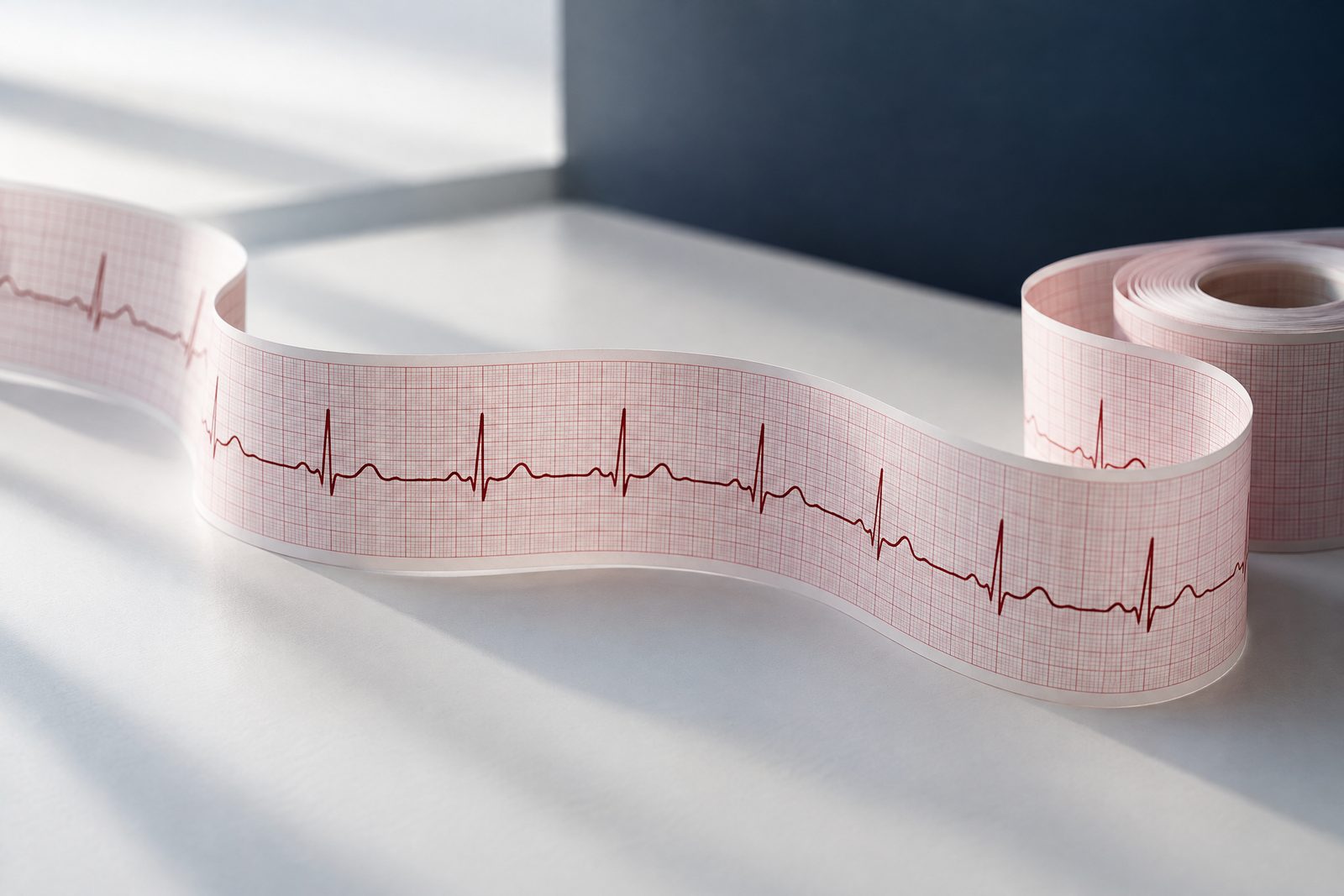
A heart rhythm disorder (arrhythmia) means the heart beats faster, slower or more irregularly than normal because of a problem in its electrical system. Some are harmless, while others need treatment. The two are told apart by recording the rhythm and through a doctor's assessment.
Symptoms
The most commonly reported symptom is palpitations. Palpitations are the sensation of the heart beating fast, hard or irregularly. Some rhythm disorders cause no symptoms at all and are noticed on an ECG taken for another reason.
Palpitations that come with fainting, chest pain or marked shortness of breath need urgent assessment.
- A feeling of missed or skipped beats
- Dizziness or blacking out briefly
- Tiring easily, shortness of breath
- Discomfort in the chest
- Fainting or feeling about to faint
Main rhythm disorders
Rhythm disorders are named according to where they start and the heart rate.
- Tachycardia: The heart beats faster than normal at rest. It can also be due to causes outside the heart, such as fever, anaemia or thyroid disease.
- Bradycardia: The heart beats slower than normal. It can be normal in people who exercise regularly and during sleep, and is investigated if it causes symptoms.
- Premature beats: Extra beats that start in the upper or lower chambers of the heart. They are common and are usually felt as a missed beat.
- Atrial fibrillation: The upper chambers are stimulated irregularly and very fast. The pulse becomes irregular. Because the upper chambers cannot contract effectively, clots can form inside the heart and the risk of stroke rises.
Diagnostic methods
Diagnosis rests on recording the rhythm while the symptoms are happening. Because rhythm disorders can come and go, a single ECG is not always enough.
- ECG (electrocardiography): A short recording of the electrical activity of the heart.
- Holter monitor: A small device worn on the body that records the rhythm, usually for 24 hours or longer.
- Event recorders: These provide longer recording for symptoms that occur infrequently.
- Echocardiography and blood tests: These look for underlying heart disease and causes such as a thyroid disorder.
- Exercise test: This assesses rhythm disorders that appear with exertion.
- Electrophysiology study: A detailed examination of the electrical system using catheters placed inside the heart.
Treatment options
Treatment is planned by the doctor according to the type of rhythm disorder, how severe the symptoms are and any accompanying heart disease. In some cases, monitoring and avoiding triggers are enough.
- Cutting down on triggers such as caffeine, alcohol, smoking and lack of sleep
- Medicines that regulate the rhythm or the heart rate
- Anti-clotting medicines for patients who need them
- Cardioversion: Restoring normal rhythm with a controlled electric shock
- Catheter ablation: Using a catheter to neutralise the area causing the rhythm disorder
- A pacemaker or ICD
This page is provided for general information. Decisions about diagnosis and treatment are made by a physician after examining you.
Frequently asked questions
Are all palpitations a rhythm disorder?
No. Excitement, exertion, fever, anaemia or too much caffeine can also speed up the heart and cause a sensation of palpitations. Palpitations that recur often, last a long time or come with other symptoms need to be assessed.
What should I keep in mind while wearing a Holter monitor?
You will be asked to carry on with your daily life as usual, because the aim is to record the rhythm under everyday conditions. The device must not get wet. Noting the times when you feel symptoms and what you were doing then helps with interpreting the recording.
Why are blood thinners used in atrial fibrillation?
In this rhythm disorder, clots can form in the upper chambers of the heart, and a clot can travel to the brain and cause a stroke. Blood thinners are given to reduce this risk. Whether the medicine is needed is decided by the doctor according to factors such as age and other conditions.
Other areas of expertise
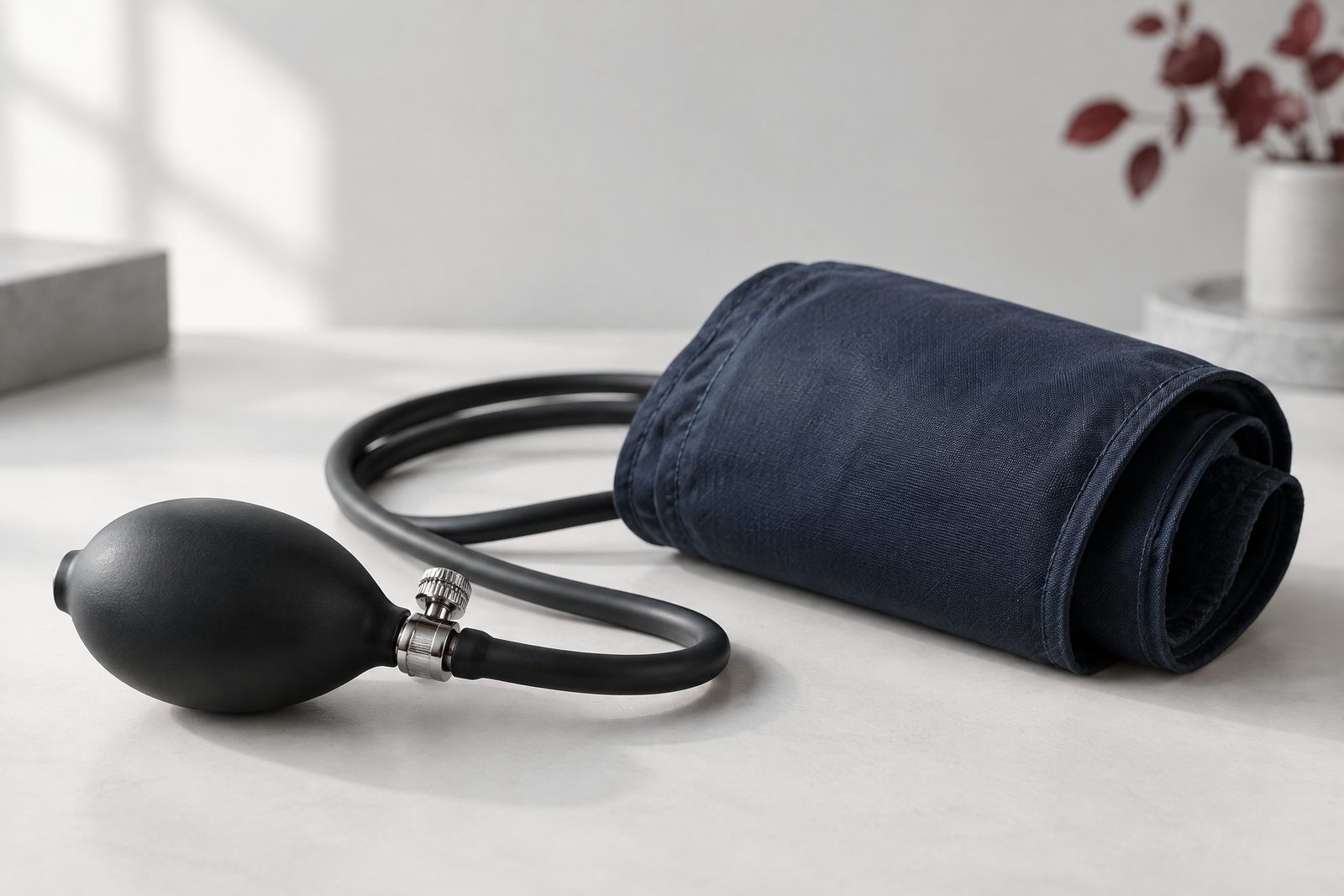 HypertensionBlood pressure that stays persistently high. It often progresses without causing symptoms.
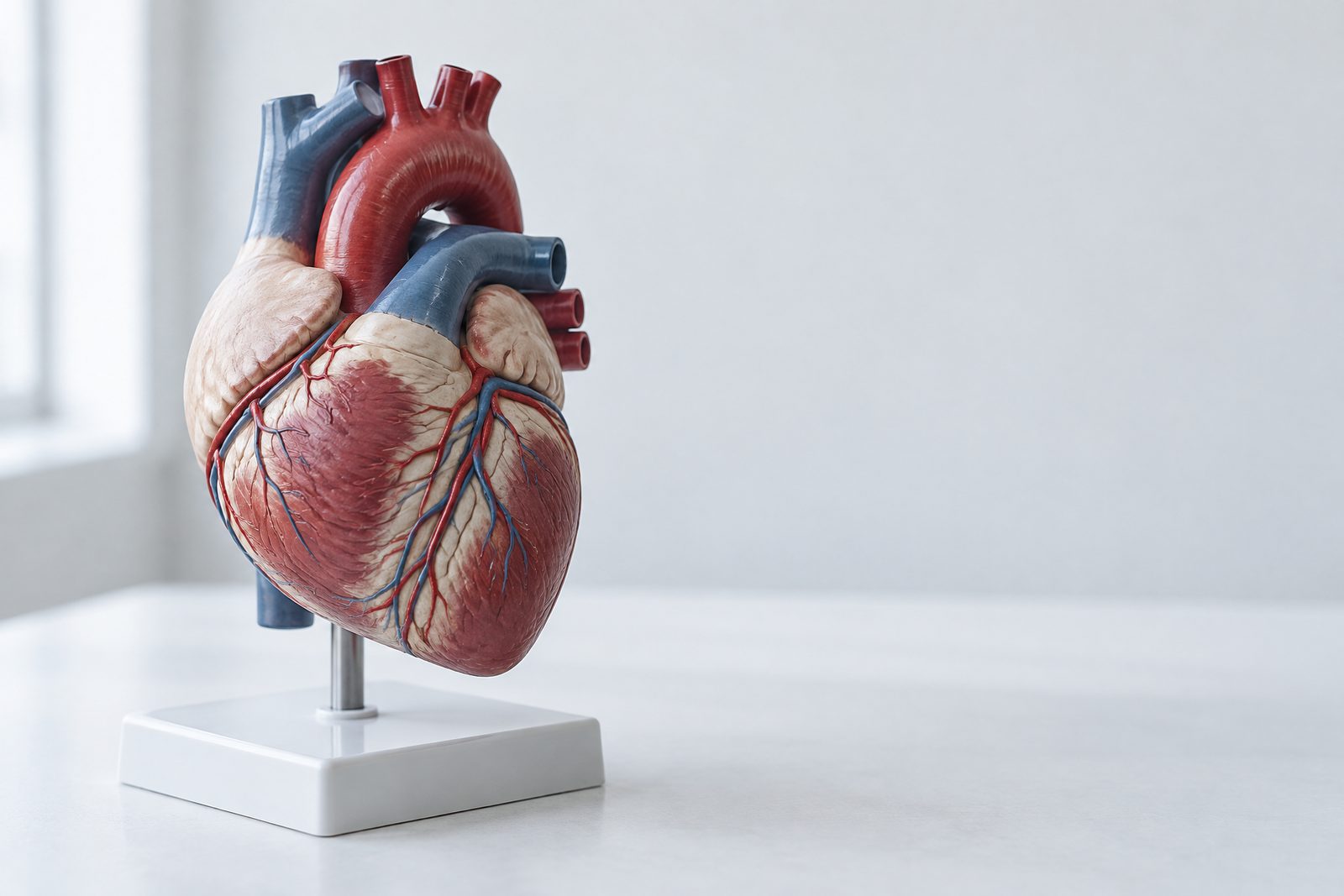 Heart FailureA long-term condition in which the heart cannot pump enough blood to meet the body's needs.
 Sports CardiologyThe field concerned with assessing heart health in people who exercise or are about to take up sport.
Read more on the topic
Short patient information articles on chest pain, blood pressure, diet and cardiac tests.