Heart Failure
Heart failure means that the heart cannot pump enough of the blood the body needs, or can do so only at high pressure. It does not mean that the heart has stopped. It is usually a long-term condition, and symptoms can be brought under control with treatment and regular follow-up.
Symptoms
The symptoms are due to fluid building up in the body and too little blood reaching the tissues. At first they may appear only with exertion, and over time they may also be felt at rest.
- Tiring easily, lack of energy
- Shortness of breath that gets worse with exertion or when lying flat
- Waking at night short of breath, needing to sleep propped up on pillows
- Swelling of the ankles and legs (oedema)
- Weight gain over a short time
- Bloating in the abdomen, loss of appetite
- Palpitations
Causes and diagnosis
Heart failure is usually the result of another heart condition. The main causes are coronary artery disease and a previous heart attack, long-standing high blood pressure, valve disease, heart muscle disease and rhythm disorders.
Diagnosis uses the symptoms and examination findings together with an ECG, blood tests and echocardiography. Echocardiography shows the pumping strength of the heart and helps to identify the type of heart failure. Further tests are requested when needed to find the underlying cause.
Treatment
The aim of treatment is to reduce symptoms, prevent hospital admissions and slow the progression of the condition. The treatment plan is tailored to the individual by the doctor according to the type and cause of the heart failure.
- Medicines that reduce the workload of the heart and improve the course of the condition
- Diuretics (water tablets) that remove excess fluid
- Treatment of underlying artery, valve or rhythm problems
- Special pacemakers and ICDs for suitable patients
- Heart support devices and heart transplantation in advanced stages
Daily life
Monitoring yourself is an important part of treatment. Taking your medicines regularly and noticing changes early help to prevent symptoms from getting worse.
- Weigh yourself every morning under the same conditions and note your weight
- Restrict salt
- Keep your fluid intake at the level your doctor recommends
- Stay regularly active, to the extent your doctor considers suitable
- Do not smoke or drink alcohol
- Have the vaccinations recommended for you
- Do not take medicines such as painkillers without consulting your doctor
This page is provided for general information. Decisions about diagnosis and treatment are made by a physician after examining you.
Frequently asked questions
Does heart failure go away completely?
In most patients, heart failure needs long-term follow-up. In some cases where the cause can be corrected, heart function can recover considerably. Even if symptoms ease, medicines should not be stopped without a doctor's advice.
When should I seek help without delay?
Marked weight gain over a few days, worsening shortness of breath, increasing swelling in the legs or being unable to lie flat are things your doctor needs to know about. If you have severe shortness of breath at rest, chest pain or fainting, go to an emergency department.
Can someone with heart failure exercise?
For patients whose condition is stable, regular and moderate exercise is generally recommended and improves exercise capacity. The type and intensity of exercise are set for each person. Exercise is paused during periods when symptoms get worse.
Other areas of expertise
 Sports CardiologyThe field concerned with assessing heart health in people who exercise or are about to take up sport.
 Preventive CardiologyAims to prevent heart and blood vessel disease before it develops and to keep risk factors under control.
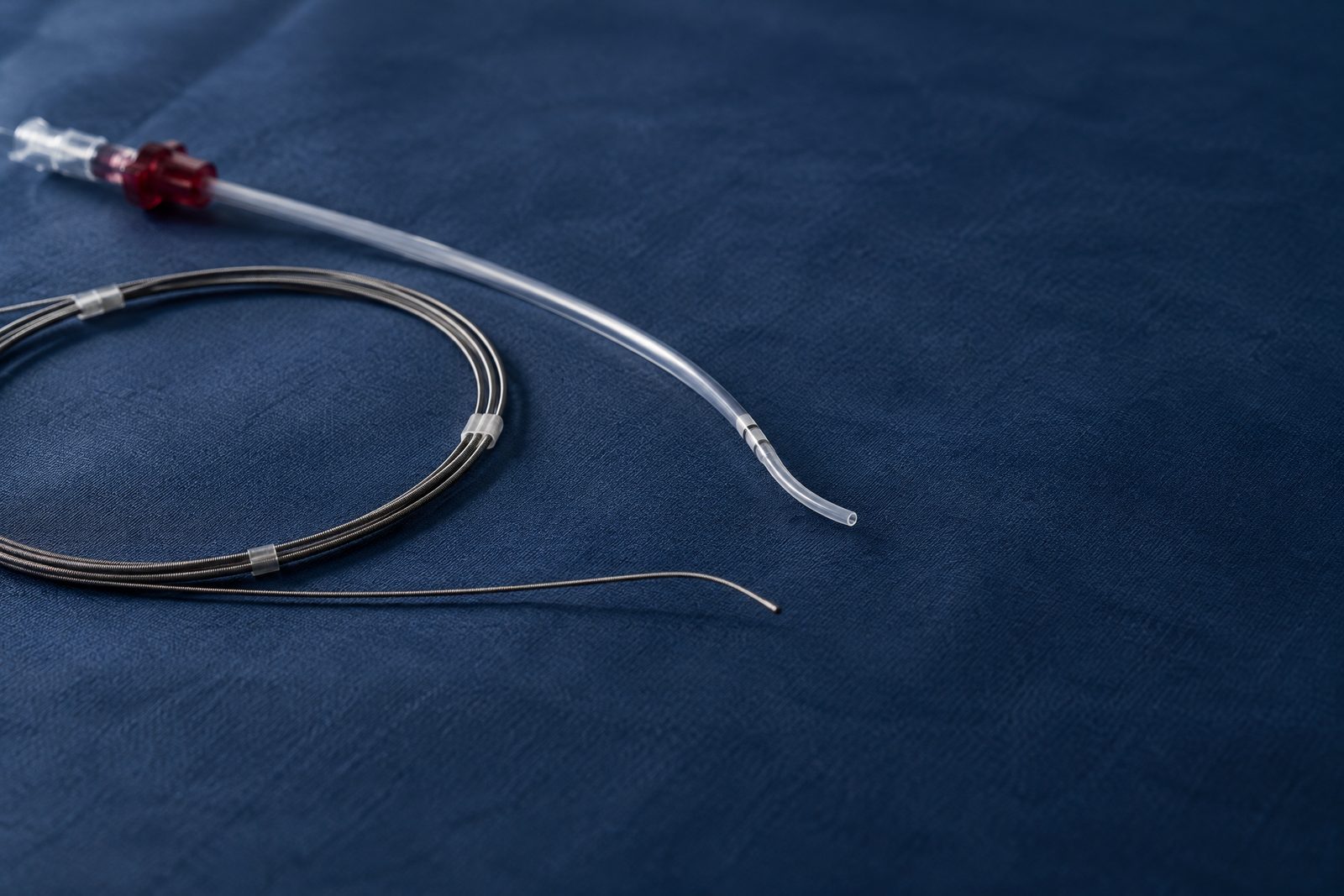 Coronary AngiographyA diagnostic procedure that uses contrast dye and X-rays to image the arteries supplying the heart.
Read more on the topic
Short patient information articles on chest pain, blood pressure, diet and cardiac tests.