Balloon Angioplasty and Stenting
Balloon angioplasty and stenting open narrowed or blocked coronary arteries without surgery. In medical terms it is called coronary angioplasty or percutaneous coronary intervention. The procedure uses the same route as angiography, through the artery in the wrist or the groin.
How is the procedure done?
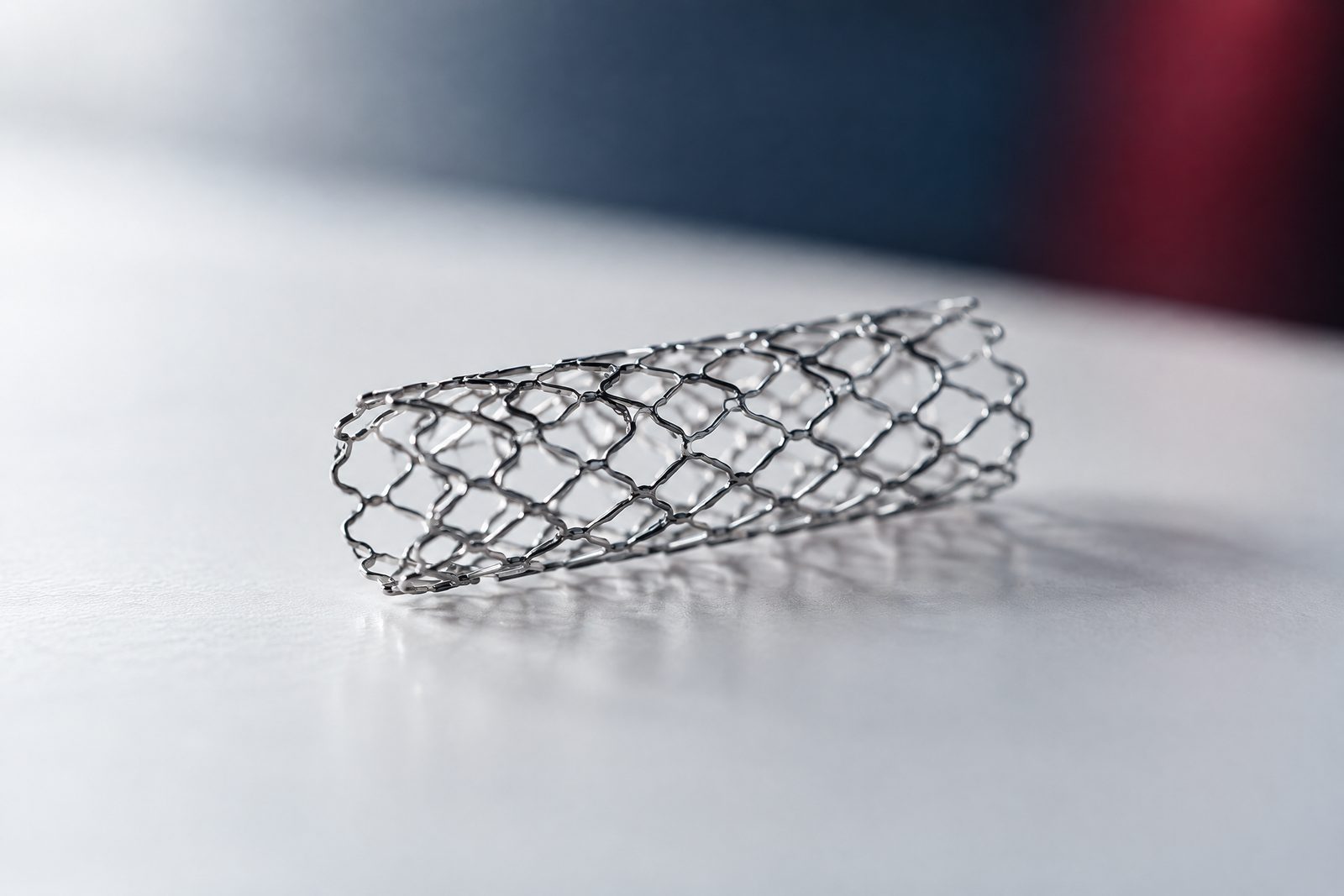
A thin wire is passed to the narrowed area. A balloon is sent along this wire and inflated inside the narrowing to widen the artery. In most patients a stent is then placed to keep the artery open.
A stent is a small mesh tube made of a metal alloy. It is carried on the balloon, settles against the artery wall when the balloon is inflated, and stays there. The procedure is done under local anaesthetic, and a general anaesthetic is not needed.
Drug-eluting stents and drug-coated balloons
Most of the stents used today are coated with a drug. The drug on the stent is released slowly into the artery wall and reduces the chance of the artery narrowing again at that spot.
A drug-coated balloon delivers a drug to the artery wall but leaves no permanent metal in the artery. It may be preferred for narrowing that develops inside a previously placed stent and for some small arteries. The suitable method is chosen according to the diameter of the artery and the location and nature of the narrowing.
When is it used?
It is one of the main treatments used to open a blocked artery quickly during a heart attack. In other situations, the symptoms and the degree and location of the narrowing are assessed together.
Not every narrowing needs a stent. For some patients medication is enough, and for others bypass surgery is the more suitable option. The decision is made by the doctor, taking the angiography images and your general health into account.
Medication after the procedure
After a stent is placed, medicines are used to stop platelets (the blood cells involved in clotting) from forming a clot inside the stent. Usually a second anti-clotting medicine is given together with aspirin. Your doctor decides how long this dual treatment lasts.
Stopping these medicines on your own can cause the stent to become blocked by a clot and lead to a heart attack. If a procedure such as a tooth extraction or an operation is planned, you need to consult the cardiologist looking after you before stopping your medicines.
- Take your medicines every day at the recommended dose
- Get your next supply before your medicine runs out
- Tell your doctor if you have unusual bleeding or bruising
- Stop smoking, and keep your cholesterol, blood pressure and blood sugar under control
This page is provided for general information. Decisions about diagnosis and treatment are made by a physician after examining you.
Frequently asked questions
Can the artery narrow again after a stent is placed?
Yes, narrowing can develop again inside the stent over time, but this is less common with drug-eluting stents. A stent also treats only the spot where it is placed, and hardening of the arteries can progress elsewhere. For this reason, medication and lifestyle changes are ongoing.
Can you feel a stent, and does it prevent an MRI scan?
You cannot feel a stent inside the artery. Most current coronary stents are suitable for MRI scanning. Even so, before a scan you need to say that you have a stent and show your stent card if you have one.
When can I return to daily life after the procedure?
This depends on whether the procedure was planned or done during a heart attack, and on your general condition. After planned procedures, many patients return to their daily activities within a short time. For heavy exertion, driving and returning to work, you need to follow your doctor's advice.
Other areas of expertise
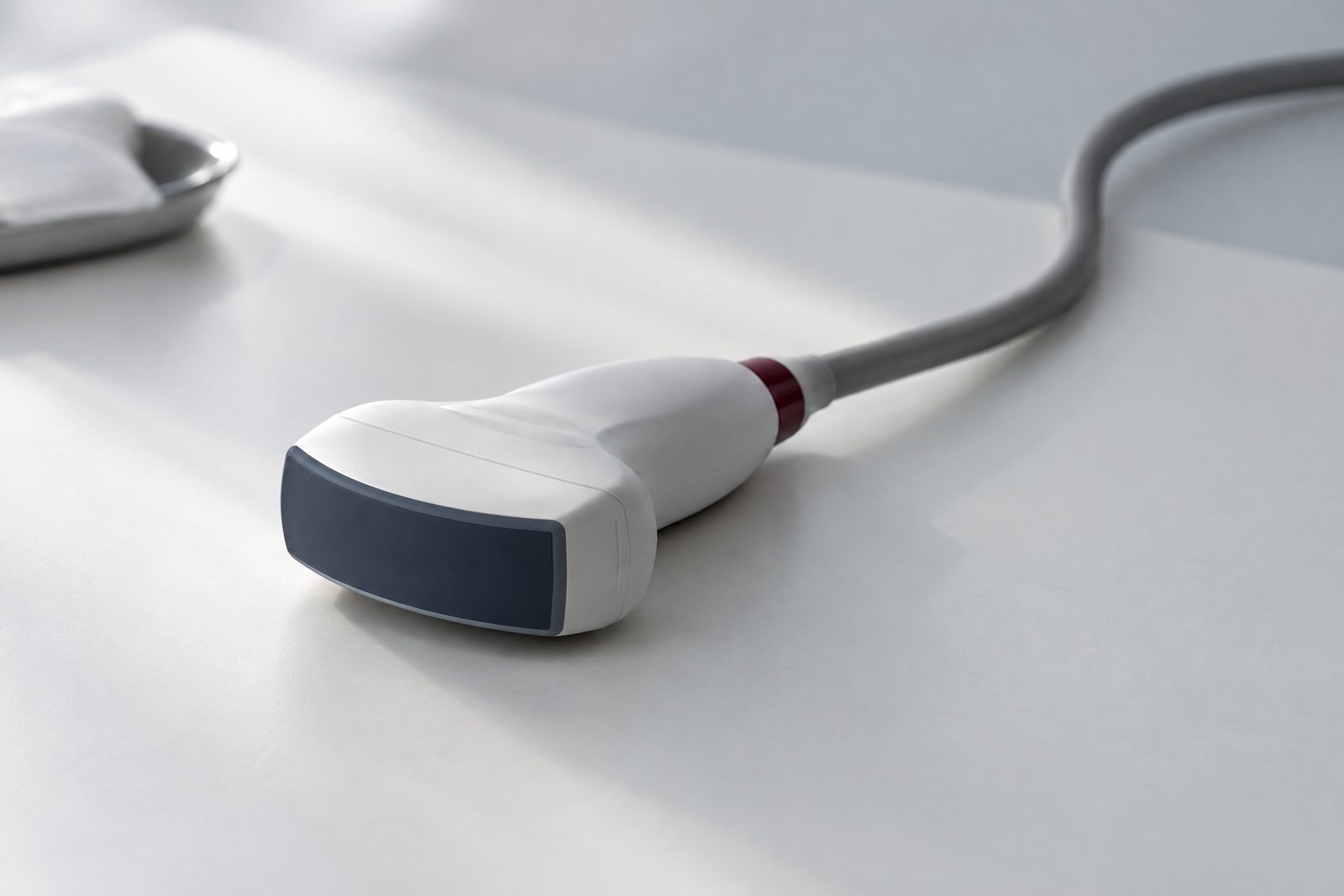 Echocardiography (Echo)A test that uses sound waves, with no radiation, to image the structure and function of the heart.
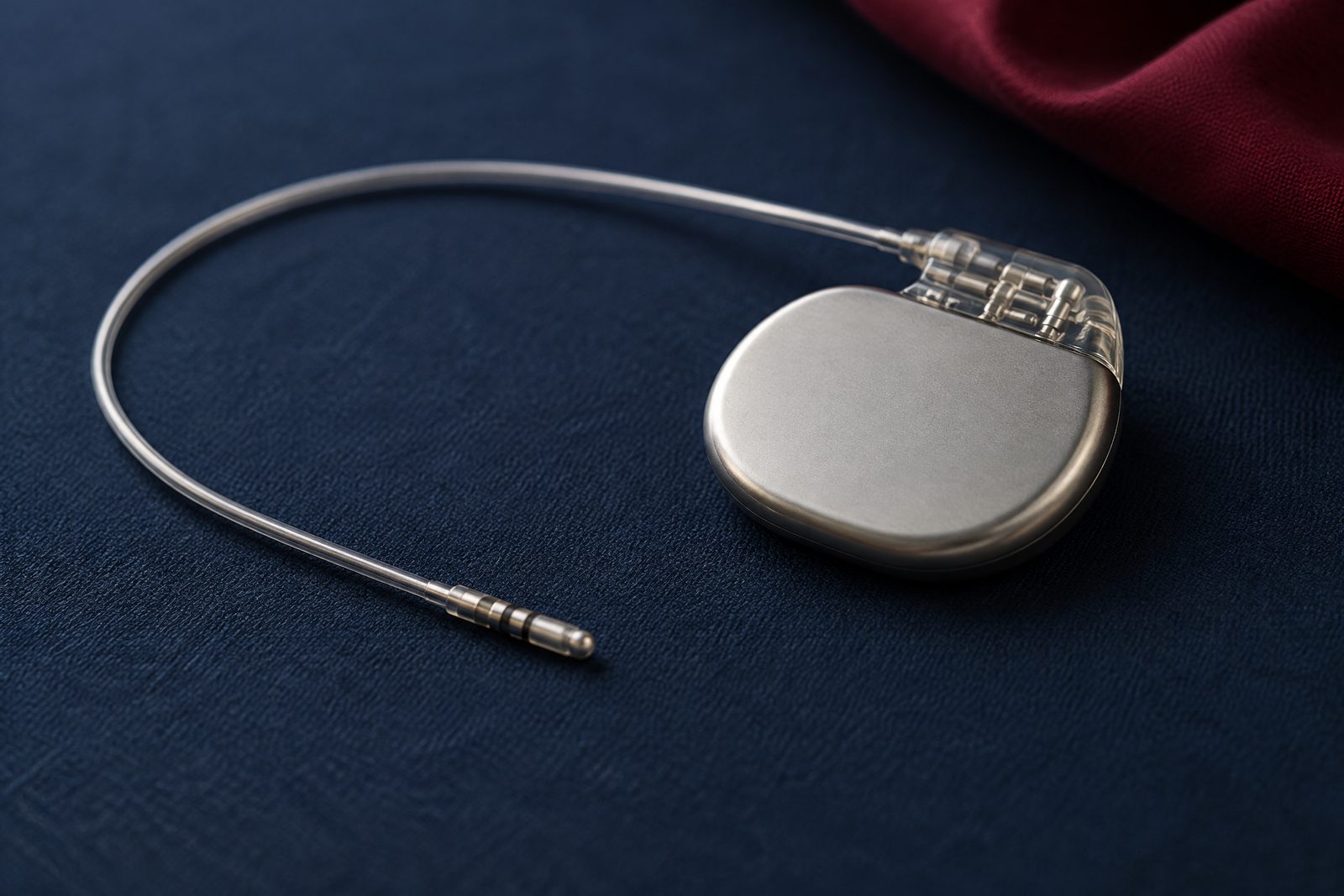 Pacemakers and ICDsDevices placed under the skin that monitor the heart rhythm and deliver electrical impulses when needed.
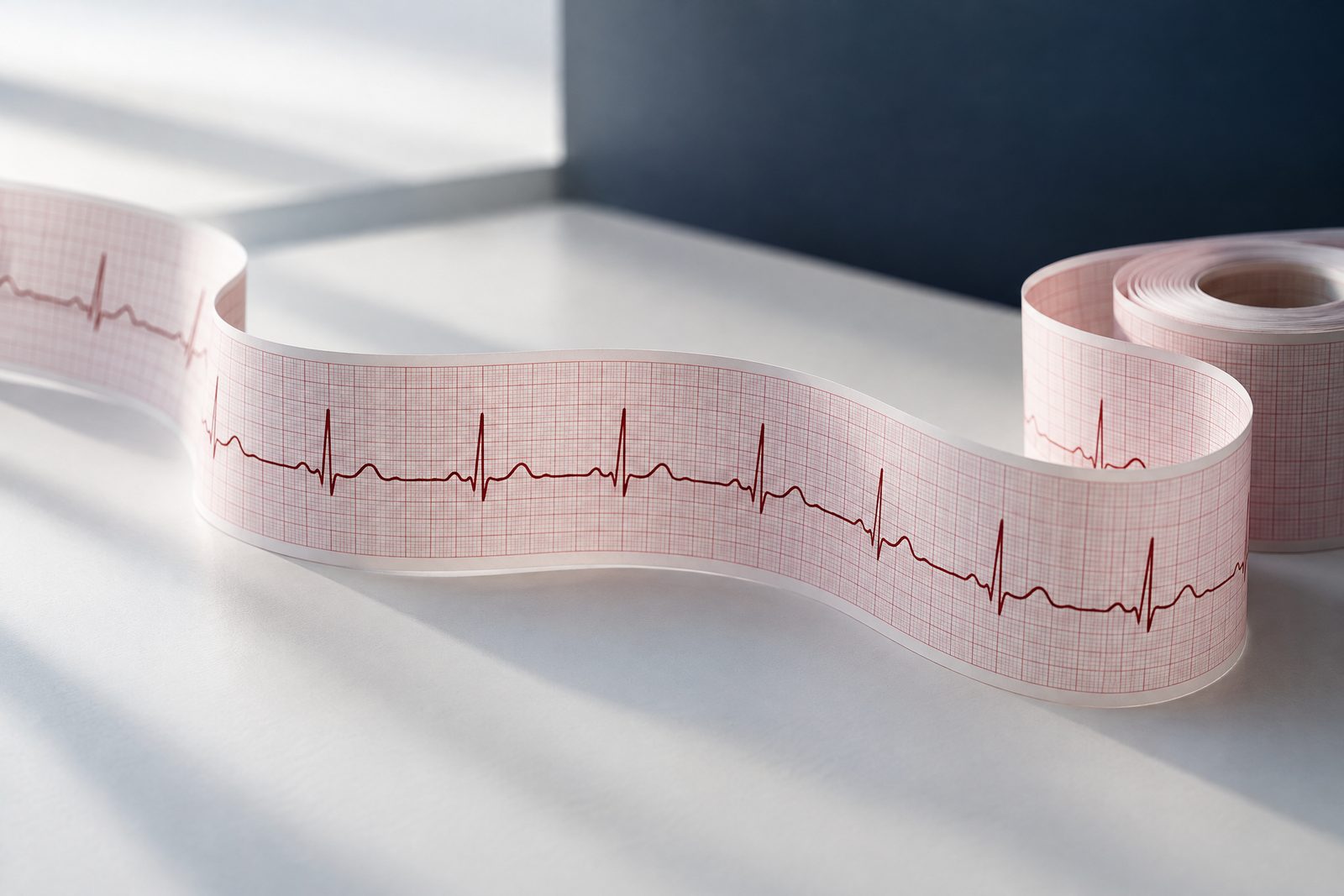 Heart Rhythm DisordersThe general name for conditions that make the heart beat faster, slower or more irregularly than normal.
Read more on the topic
Short patient information articles on chest pain, blood pressure, diet and cardiac tests.