Sports Cardiology
Sports cardiology deals with assessing the heart and circulation in people who exercise regularly and those planning to take up sport. The aim is to identify in advance any risks that may arise with exercise and to work out the level of exercise that suits the individual. Helping people with heart disease to be active safely is also part of this field.

How exercise affects the heart
Regular exercise helps to control blood pressure, blood sugar, cholesterol and weight. It is one of the leading lifestyle habits that reduce the risk of cardiovascular disease.
In people who train intensively over a long period, the heart adapts to this load. The resting pulse slows, and the heart chambers and wall thickness may increase slightly. This is called athlete's heart and is not a disease. However, because it can give findings similar to some heart muscle diseases, the two need to be told apart carefully.
Who should be assessed?
The extent of the assessment depends on age, the intensity of the sport and personal risks.
- Registered athletes and those who take part in sport at competitive level
- Middle-aged and older people who are about to start intensive exercise after a long period of inactivity
- People with risk factors such as high blood pressure, diabetes, high cholesterol or smoking
- People with known heart disease
- People with a family history of sudden death at a young age or inherited heart disease
- People who have chest pain, fainting, palpitations or unexpected shortness of breath during exercise
How is the assessment done?
The first step is a detailed history and physical examination. You are asked about symptoms, family history, and the medicines and supplements you take. A resting ECG is recorded in most assessments. Additional tests are requested for people the doctor considers need them.
- Exercise test: ECG, pulse and blood pressure are monitored on a treadmill under a gradually increasing load. Symptoms and rhythm disorders that appear with exertion, and exercise capacity, are assessed.
- Echocardiography: The structure of the heart, the valves and pumping strength are examined.
- Holter monitor: The rhythm is recorded during the day and during training.
- Advanced imaging: Cardiac MRI or CT may be used in selected cases.
Warning signs during exercise
If the symptoms below appear, you need to stop exercising and not return to sport until the cause has been investigated. Intensive exercise is also not recommended during an illness with fever.
- Pain, pressure or tightness in the chest
- Fainting or feeling about to faint
- Shortness of breath out of proportion to the level of exertion
- Palpitations that start suddenly and are fast or irregular
- A marked, unexplained drop in performance
This page is provided for general information. Decisions about diagnosis and treatment are made by a physician after examining you.
Frequently asked questions
I have no symptoms. Do I need a check-up before starting sport?
For healthy young people, extensive testing is usually not needed for light and moderate exercise. An assessment beforehand is recommended for people who are middle-aged or older, those with risk factors and those about to start intensive or competitive sport.
Is athlete's heart dangerous?
Athlete's heart is a normal adaptation to training and is not considered a disease. What matters is telling these changes apart from heart muscle disease. ECG, echocardiography and, when needed, advanced tests are used to do this.
If my exercise test is normal, is it certain that my heart is fine?
A normal exercise test is a good sign, but it does not rule out all heart conditions. The result is interpreted together with symptoms, risk factors and other tests. If your symptoms continue, you need to tell your doctor.
Other areas of expertise
 Preventive CardiologyAims to prevent heart and blood vessel disease before it develops and to keep risk factors under control.
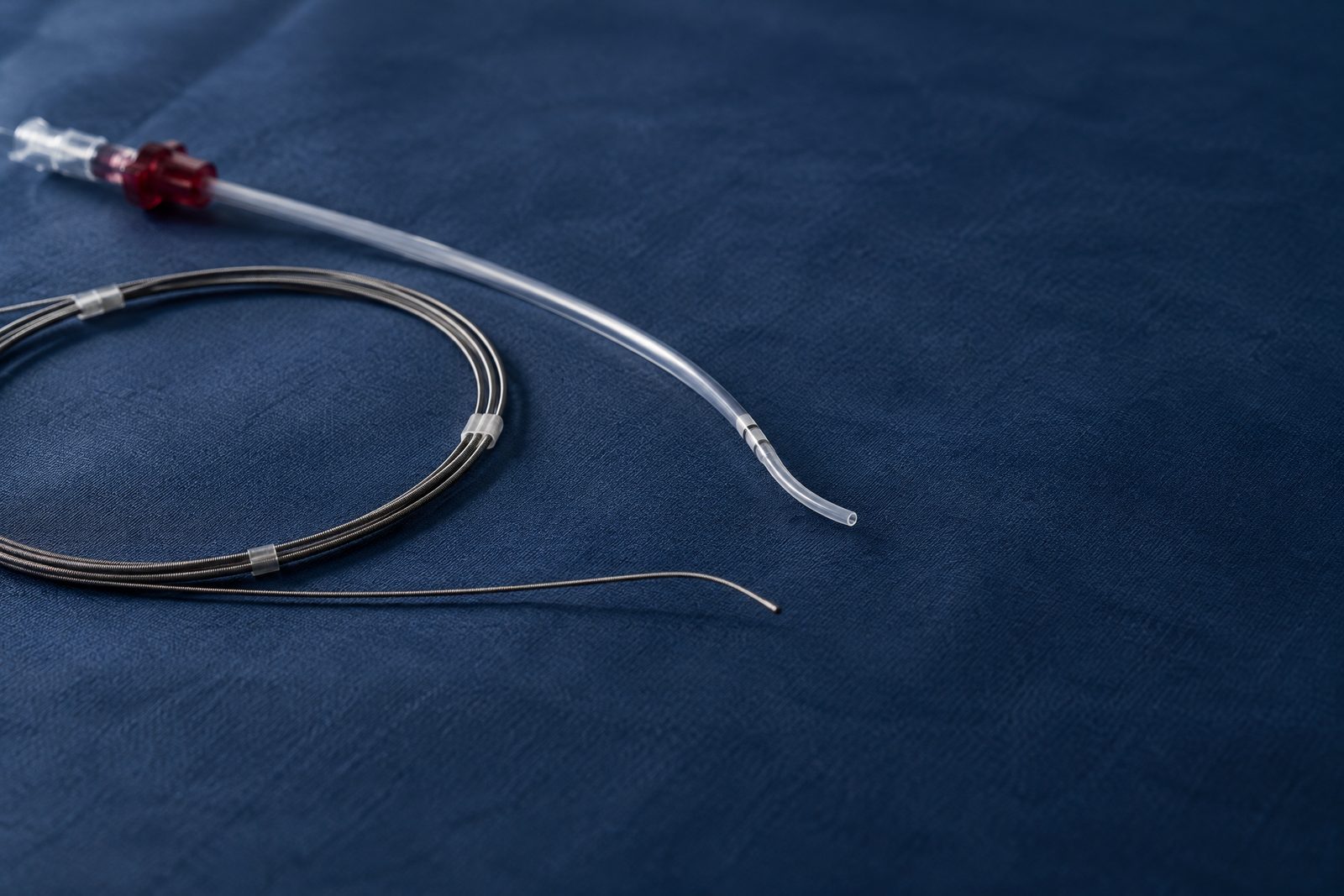 Coronary AngiographyA diagnostic procedure that uses contrast dye and X-rays to image the arteries supplying the heart.
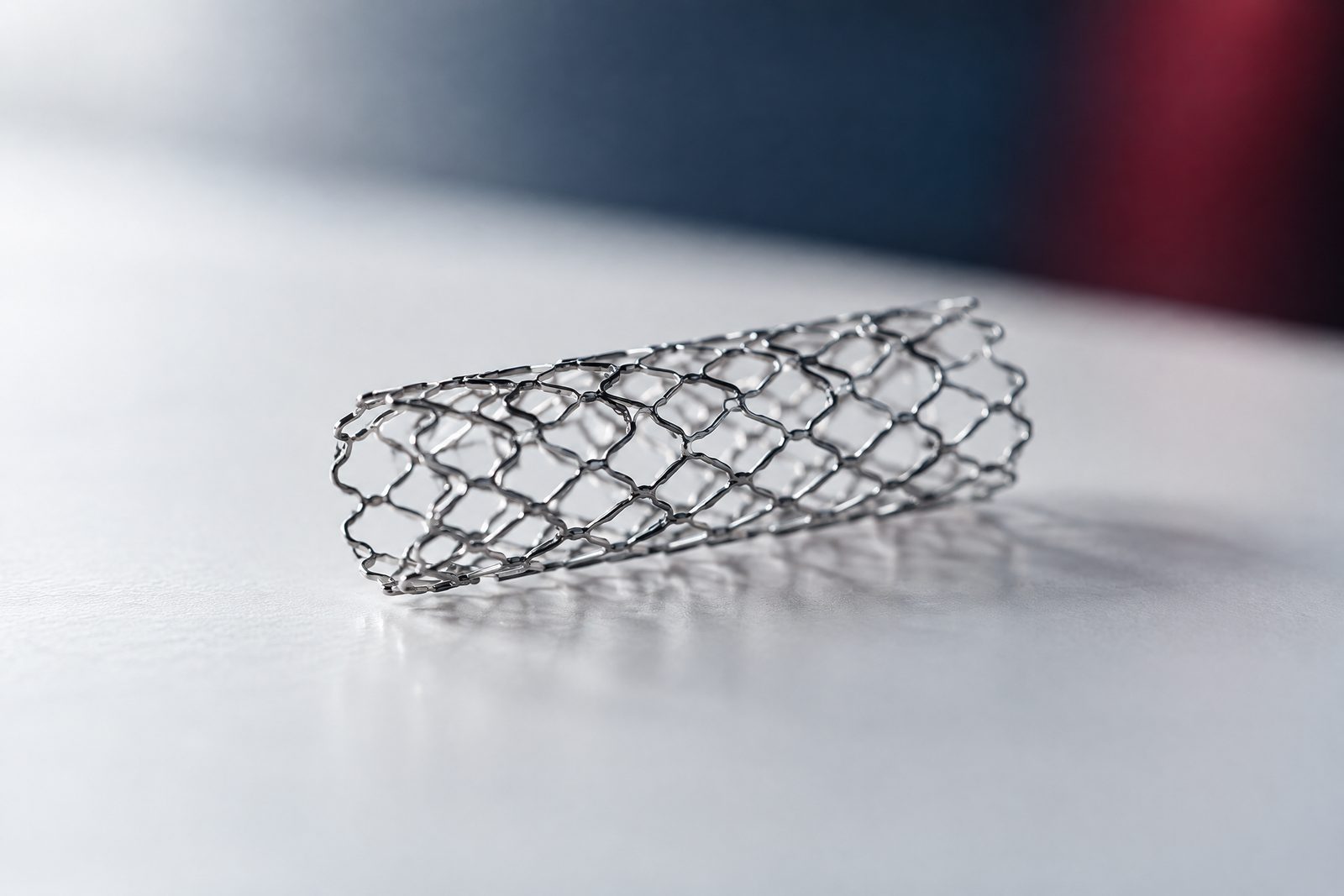 Balloon Angioplasty and StentingA procedure that widens narrowed or blocked heart arteries with a balloon and keeps them open with a stent.
Read more on the topic
Short patient information articles on chest pain, blood pressure, diet and cardiac tests.