Pacemakers and ICDs
Pacemakers and ICDs are small devices that monitor the heart rhythm continuously and step in when needed. They are usually placed under the skin, below the collarbone. They work through thin wires (leads) passed through a vein to the heart.
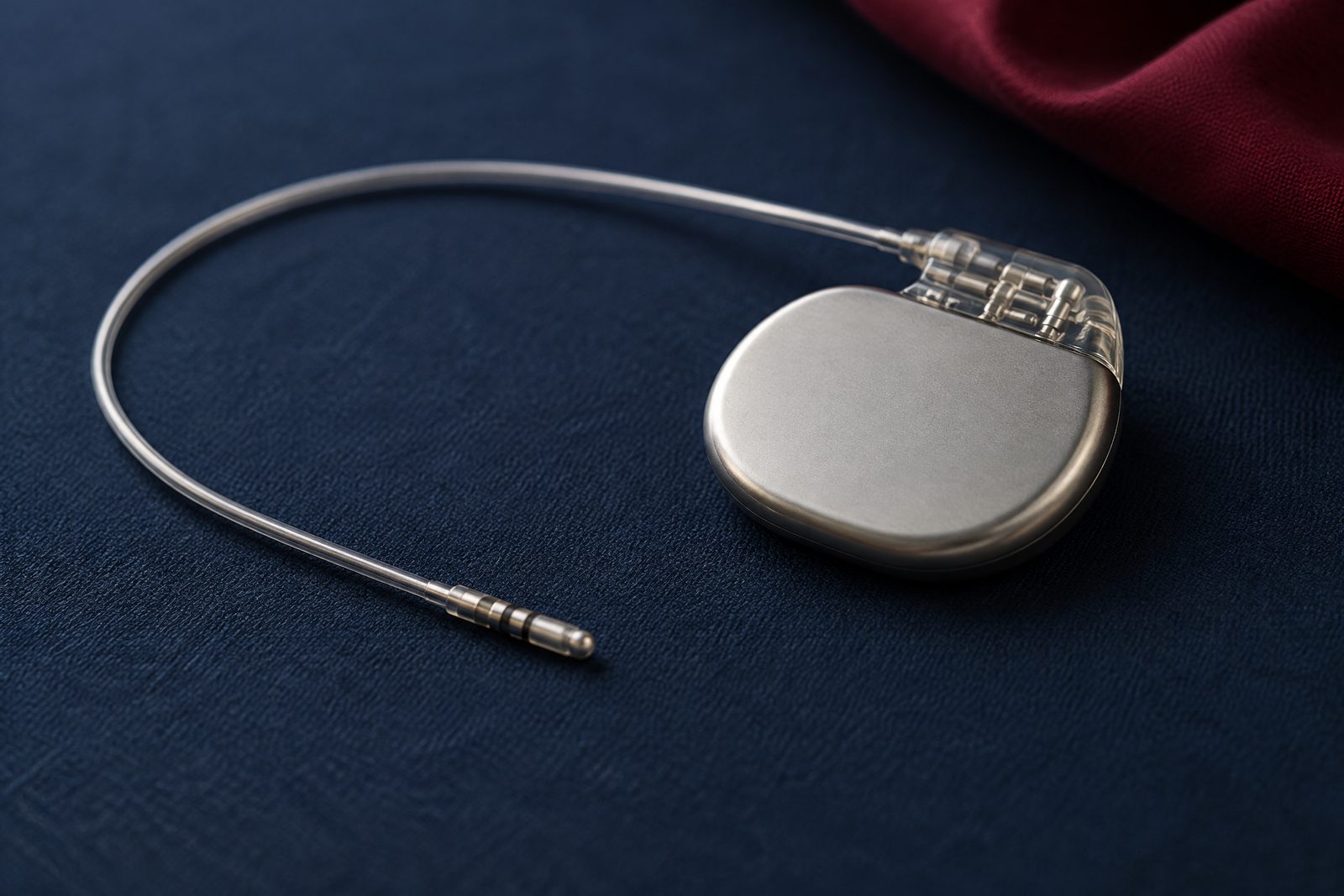
What is a pacemaker and who needs one?
A pacemaker stimulates the heart electrically when the heart rate is slower than it should be or when there are long pauses between beats. While the heart is beating fast enough on its own, the pacemaker only monitors.
A permanent pacemaker is mostly considered for problems in the electrical conduction system of the heart.
- Slow working of the heart's natural pacemaker (sinus node disease)
- Failure of the impulse to pass from the upper chambers to the lower chambers (heart block)
- Dizziness, tiredness or fainting caused by a slow heart rate
Temporary pacemakers
A temporary pacemaker is fitted for short-term use, and the device itself stays outside the body. It is used in situations where recovery is expected, such as a heart attack, the effect of a medicine or the period after surgery, or while waiting for a permanent pacemaker to be fitted. It is removed once it is no longer needed.
What is an ICD?
ICD stands for implantable cardioverter defibrillator. It recognises life-threatening fast rhythm disorders that start in the lower chambers of the heart. It ends these rhythms with rapid pacing or by delivering an electric shock. It also works as a pacemaker.
An ICD may be recommended for people who have previously had this kind of rhythm disorder or a cardiac arrest, and for patients considered to be at risk because the pumping strength of their heart is markedly reduced. In some patients with heart failure, special pacemakers that make the lower chambers contract at the same time are also used. Whether a device is needed, and which type, is decided through a doctor's assessment.
The procedure and follow-up
The device is usually fitted under local anaesthetic. Afterwards you will be asked to keep the wound dry and to avoid straining the arm on the side of the device for a while.
The devices are checked from outside the body at set intervals with an instrument called a programmer. These checks look at battery life, the condition of the leads and any recorded rhythm events. When the battery runs low, the body of the device is replaced in a minor procedure.
- Carry your device identification card with you
- Tell healthcare staff and security staff that you have a device
- See your doctor if you have redness, swelling or discharge at the wound, or a fever
- If your ICD delivers a shock, do what your doctor has explained to you beforehand
This page is provided for general information. Decisions about diagnosis and treatment are made by a physician after examining you.
Frequently asked questions
Can I use a mobile phone and household appliances with a pacemaker?
Most household appliances can be used safely. It is recommended not to carry a mobile phone in a breast pocket on the side of the device and to hold it to the ear on the opposite side. It is sensible to ask your doctor about equipment that produces strong magnetic or electrical fields.
Can someone with a pacemaker have an MRI scan?
Some of the devices fitted today are compatible with MRI scanning under certain conditions. Compatibility depends on the model of the device and the leads. The device needs to be checked and its settings adjusted before the scan.
How long does the battery last?
Battery life depends on the type of device and how often it is active, and is generally measured in years. The remaining life is measured at regular checks. The battery does not run out suddenly, and the replacement is planned in advance.
Other areas of expertise
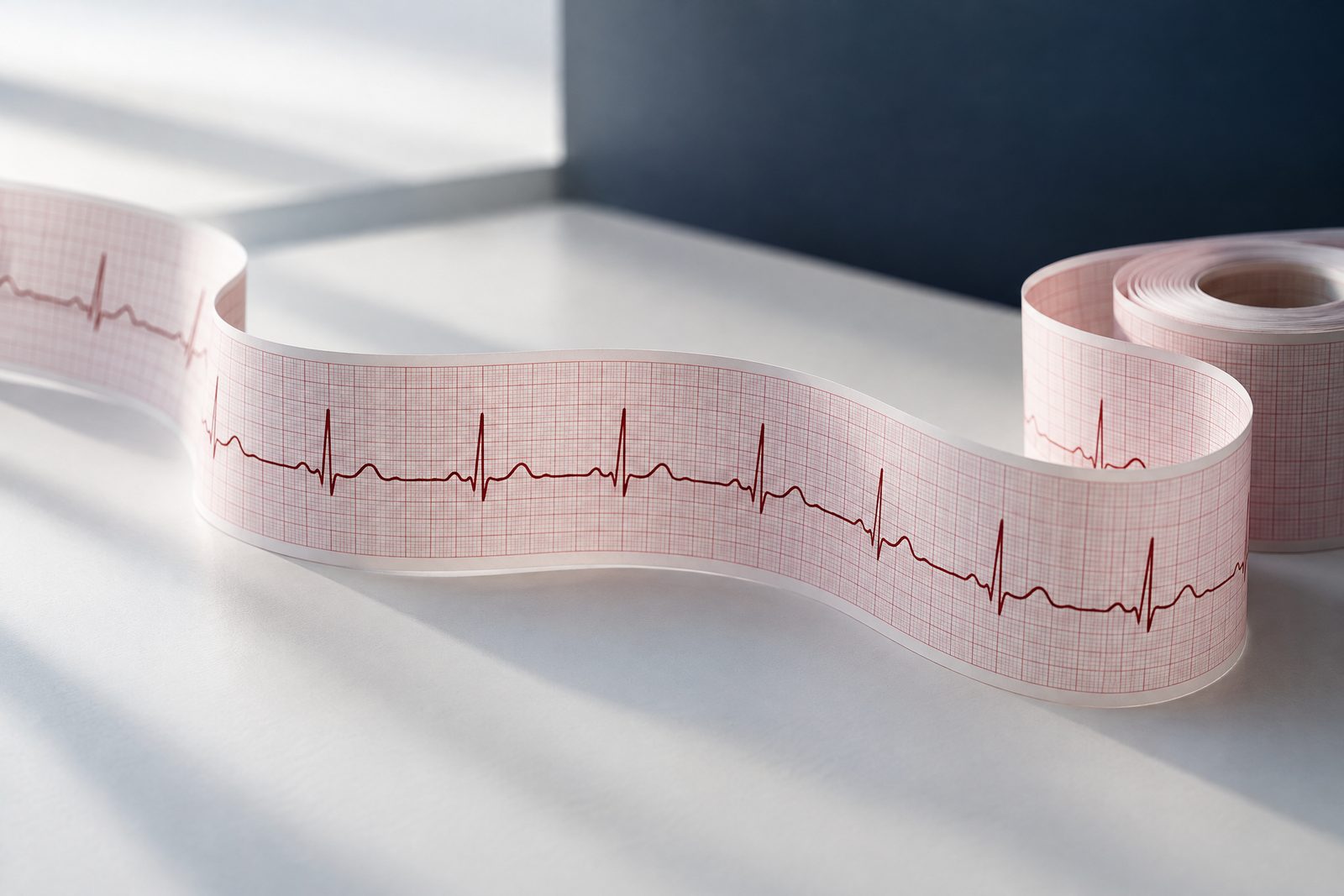 Heart Rhythm DisordersThe general name for conditions that make the heart beat faster, slower or more irregularly than normal.
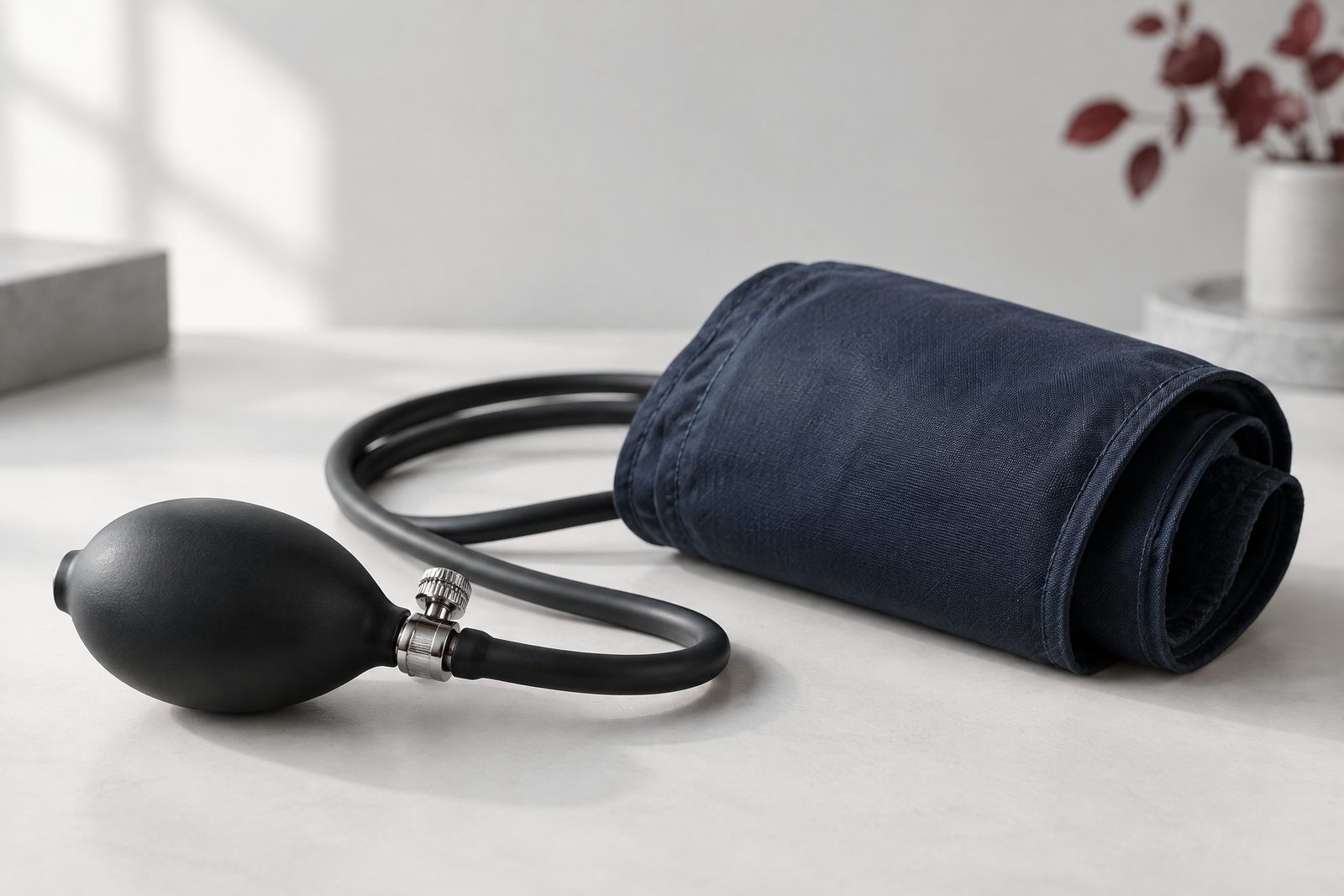 HypertensionBlood pressure that stays persistently high. It often progresses without causing symptoms.
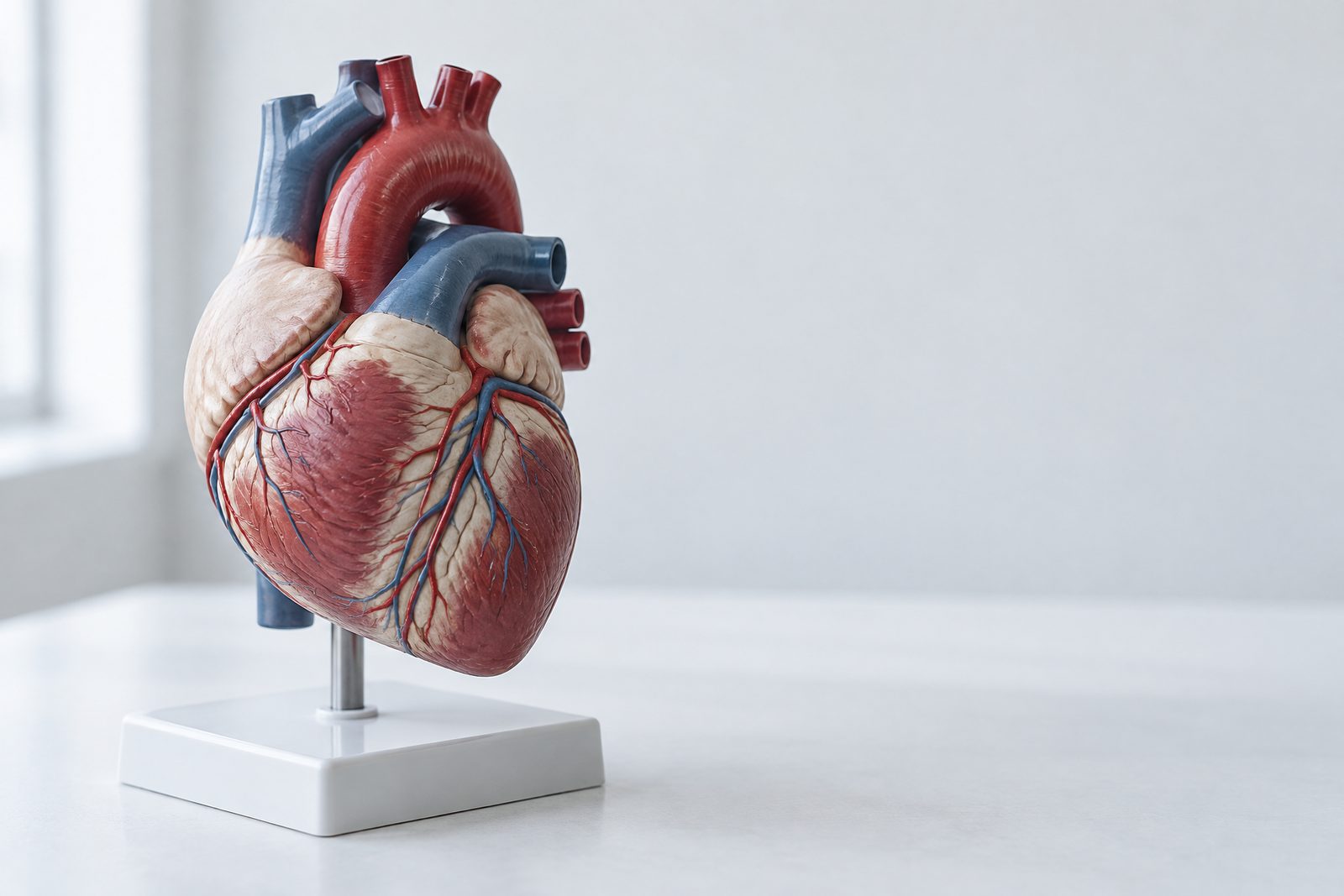 Heart FailureA long-term condition in which the heart cannot pump enough blood to meet the body's needs.
Read more on the topic
Short patient information articles on chest pain, blood pressure, diet and cardiac tests.