Coronary Angiography
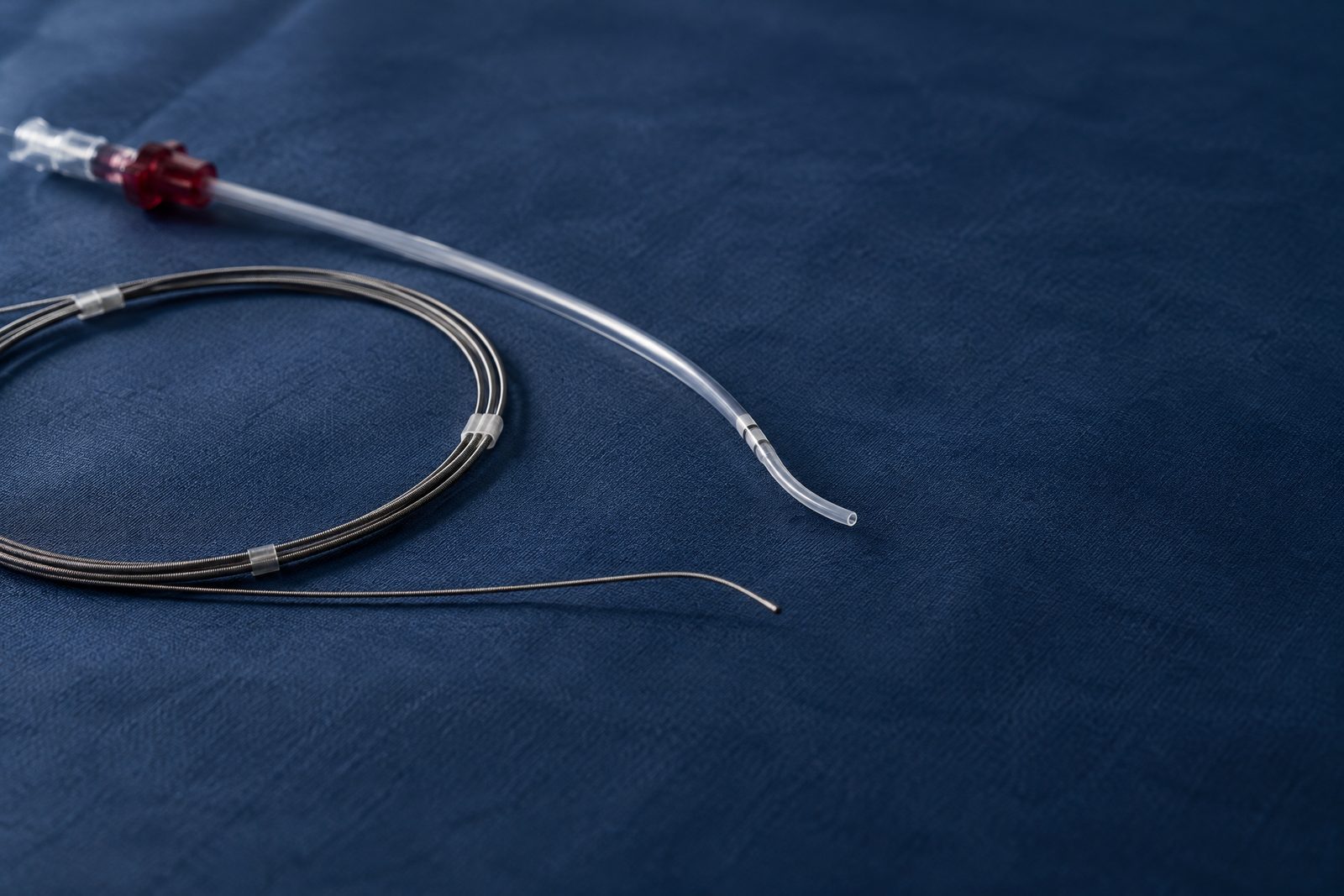
Coronary angiography is a diagnostic test that shows the arteries supplying the heart (the coronary arteries). During the procedure, contrast dye is injected into the artery and images are taken with X-rays. This shows whether the arteries are narrowed or blocked.
When is it needed?
Coronary angiography is not carried out for every case of chest pain. Your symptoms, examination findings and previous test results are assessed together. The doctor decides whether the procedure is needed.
- A heart attack or suspected heart attack
- Chest pain that comes on with exertion and eases with rest
- Findings on an exercise test or imaging tests that suggest coronary artery disease
- Assessment of the arteries before some heart valve operations
Access through the wrist or the groin
The procedure can be done through the artery in the wrist (radial access) or the artery in the groin (femoral access). The access site is numbed with local anaesthetic. A thin plastic tube called a catheter is passed through the artery up to the heart.
After procedures done through the wrist, patients can usually get up and walk sooner. The groin may be preferred when the wrist artery is not suitable or because of the nature of the procedure. The route used is chosen according to your arteries and what the procedure requires.
How is the procedure done?
The procedure is done in the catheterisation laboratory while you are awake. A general anaesthetic is not needed. You may feel a brief sensation of warmth in your body when the contrast dye is injected.
Diagnostic angiography is short for most patients. You will usually be asked not to eat for a few hours beforehand. It is important to tell the team in advance about the medicines you take, especially blood thinners and diabetes medicines, as well as any allergies and any kidney disease.
After the procedure
After the procedure, pressure is applied to the access site and you are kept under observation for a while. After a procedure through the groin, you need to rest lying down for a few hours. Unless your doctor has told you otherwise, you are advised to drink plenty of fluids to help flush the contrast dye out of your body.
Like every invasive procedure, angiography carries risks. Bruising at the access site is common and usually clears up on its own. Serious problems are rare. In the situations below, you should go to a healthcare facility without delay.
- Bleeding or rapidly growing swelling at the access site
- Coldness, numbness or a change of colour in the arm or leg
- Chest pain or shortness of breath
- Fever
This page is provided for general information. Decisions about diagnosis and treatment are made by a physician after examining you.
Frequently asked questions
Is angiography painful?
Because the access site is numbed with local anaesthetic, you usually feel no pain during the procedure. You may feel a brief sting when the injection is given. You cannot feel the catheter moving inside the artery.
Can I go home the same day after angiography?
After diagnostic procedures, many patients are discharged the same day following a few hours of observation. This depends on the access route, what was done during the procedure and your general condition. The decision is made by the doctor looking after you.
Are coronary angiography and CT angiography the same thing?
No. In coronary angiography done by CT, no catheter is passed to the heart and the images are taken with a CT scanner. Conventional coronary angiography is done with a catheter and, when needed, allows a balloon or stent to be used in the same session.
Other areas of expertise
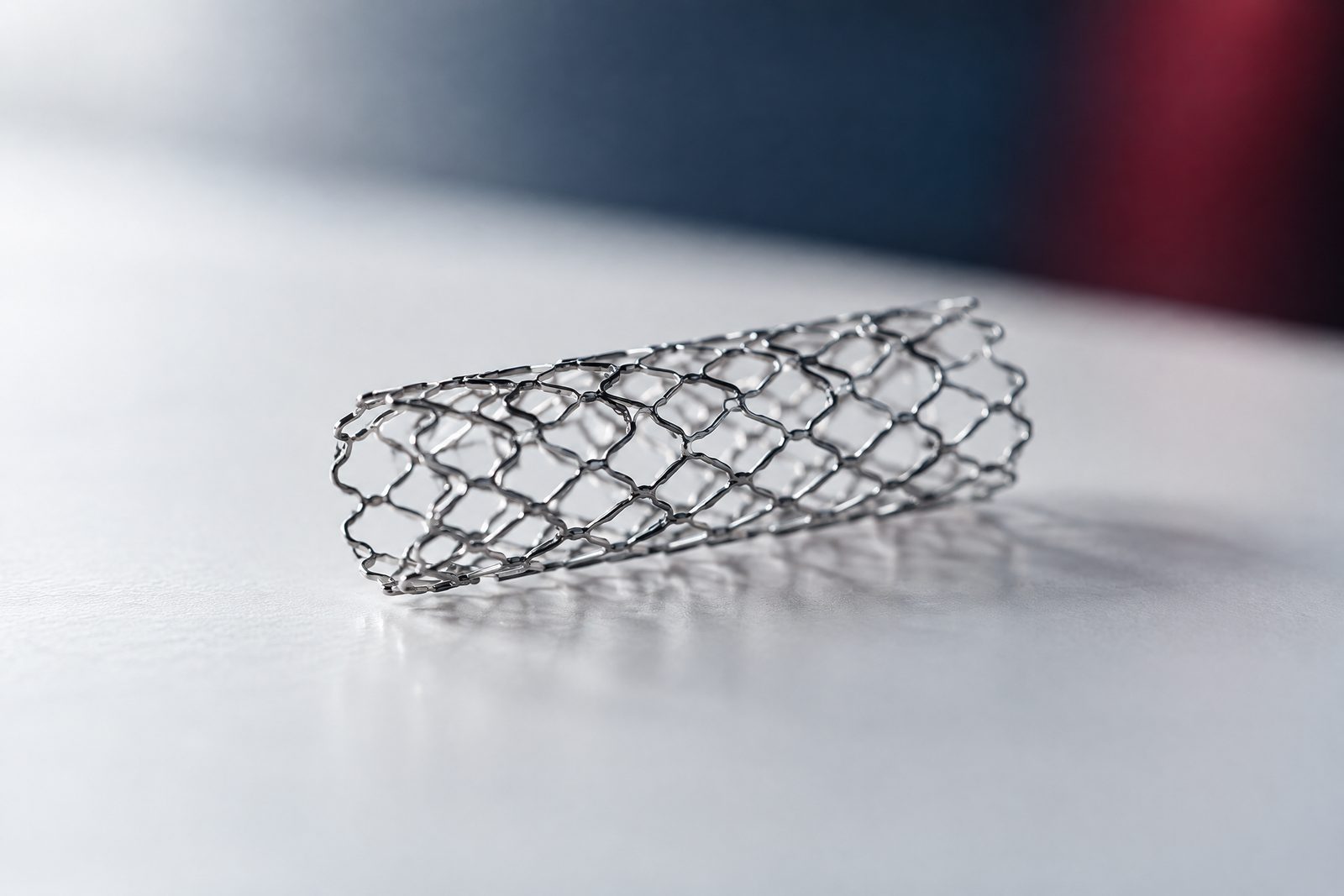 Balloon Angioplasty and StentingA procedure that widens narrowed or blocked heart arteries with a balloon and keeps them open with a stent.
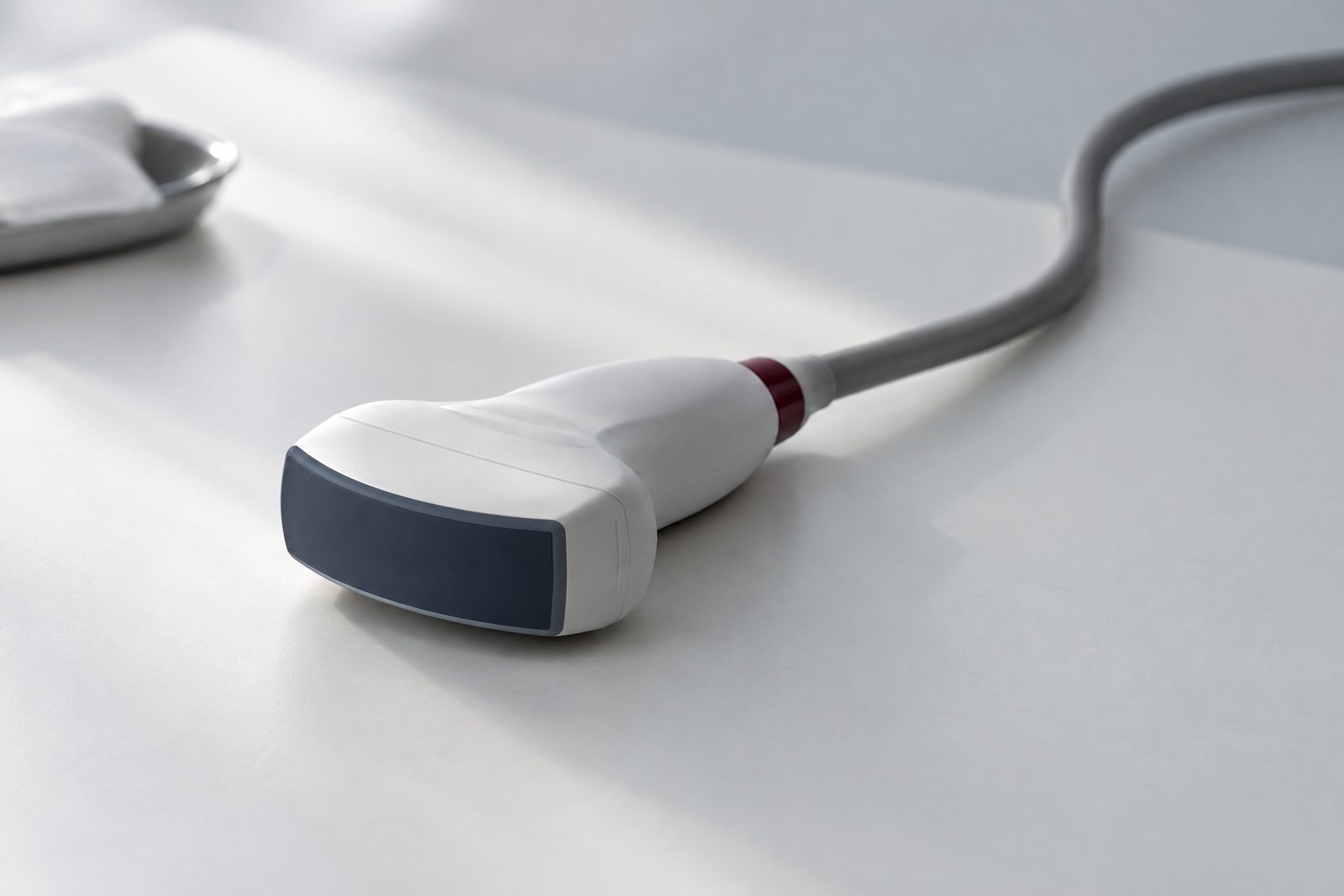 Echocardiography (Echo)A test that uses sound waves, with no radiation, to image the structure and function of the heart.
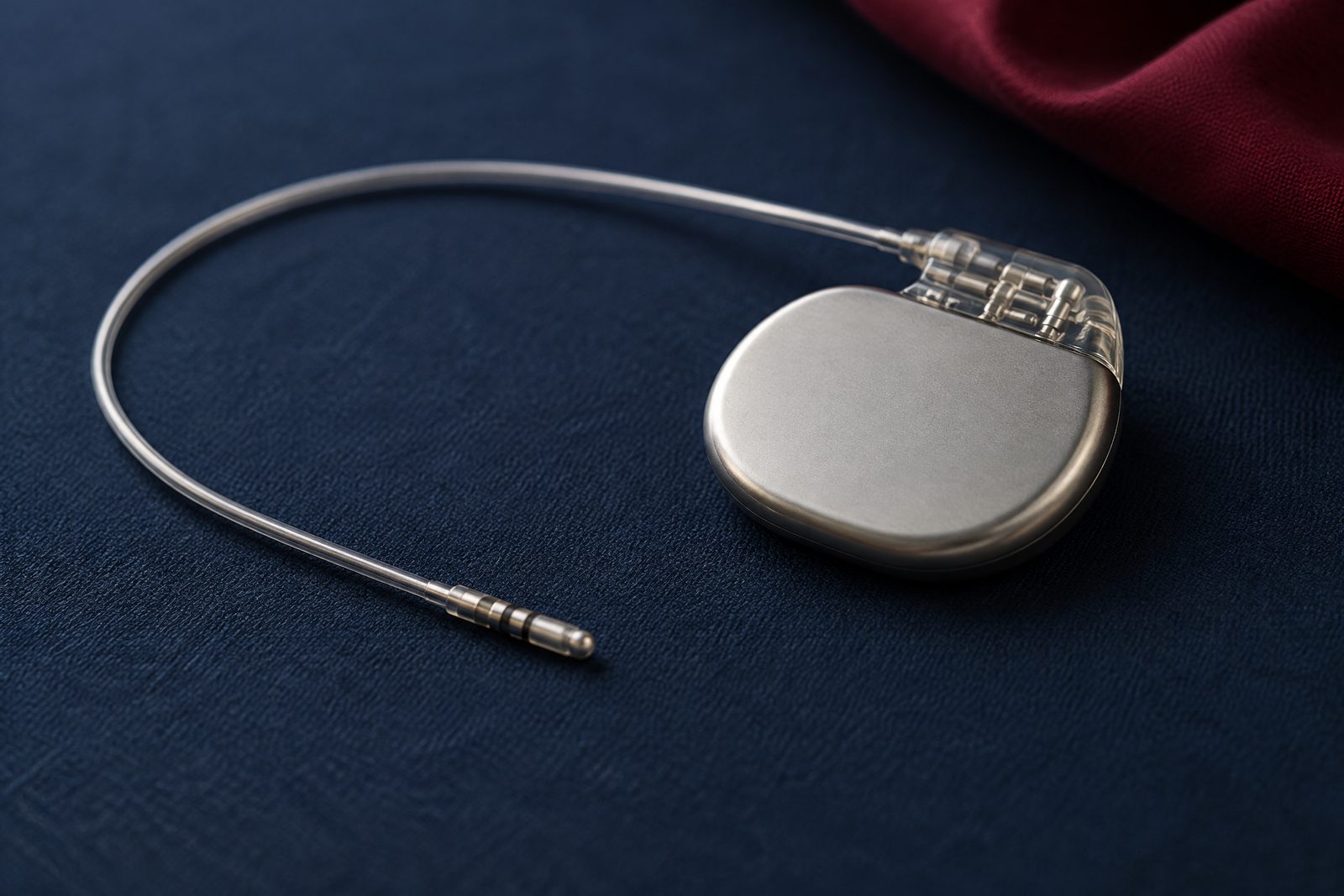 Pacemakers and ICDsDevices placed under the skin that monitor the heart rhythm and deliver electrical impulses when needed.
Read more on the topic
Short patient information articles on chest pain, blood pressure, diet and cardiac tests.