Hypertension
Hypertension means that the blood pressure in the arteries is persistently high. Blood pressure is given as two values: the upper number (systolic), measured when the heart contracts, and the lower number (diastolic), measured when it relaxes. The diagnosis is made not from a single reading but from repeated readings taken at different times.

Symptoms and why it matters
In most people hypertension causes no symptoms for a long time. Complaints such as headache, dizziness or nosebleeds do not always occur and are not specific to blood pressure. For this reason, the only way to know whether your blood pressure is high is to measure it.
High blood pressure that is not brought under control can, over the years, damage the blood vessels of the heart, brain, kidneys and eyes. It is an important risk factor for heart attack, stroke, heart failure and kidney failure.
Measuring blood pressure correctly
The conditions of measurement affect the result considerably. Readings taken at home give the doctor valuable information for diagnosis and for monitoring treatment.
- Sit in a quiet place for at least five minutes before measuring
- Do not smoke, drink tea or coffee, or exercise in the half hour before measuring
- Sit with your back supported, your feet flat on the floor and your legs uncrossed
- Support your arm at heart level and place the cuff on your bare arm
- Use a validated upper-arm device with a cuff that fits the size of your arm
- Take two readings one to two minutes apart and note the values with the date and time
- Do not talk during the measurement
Lifestyle
Lifestyle changes are a basic part of treatment and are continued by patients who take medication as well.
- Cut down on salt, and watch out for hidden salt in processed and packaged foods
- Eat a diet based mainly on vegetables, fruit and whole grains
- Lose weight if you are overweight
- Be physically active on a regular basis
- Do not smoke, and limit alcohol
- Take care of your sleep routine
Continuity of treatment
When to start medication is decided by the doctor according to your blood pressure readings and your overall cardiovascular risk. Many patients may need more than one medicine to reach the target value.
In most patients hypertension is a long-term condition. Blood pressure returning to normal with medication does not mean the condition has gone. The values are under control thanks to the medicine. It is not right to stop the medicine on your own or to take it only when your blood pressure rises. If you think you have a side effect, you need to tell your doctor rather than stop the medicine.
This page is provided for general information. Decisions about diagnosis and treatment are made by a physician after examining you.
Frequently asked questions
My blood pressure is back to normal. Can I stop my medicine?
Values returning to normal usually show that the medicine is working. When the medicine is stopped, blood pressure generally rises again. Your doctor decides on reducing the dose or changing the medicine.
What is white coat hypertension?
It means blood pressure that is high when measured in a clinical setting but normal at home. Home readings or 24-hour ambulatory blood pressure monitoring are used to tell the difference. It is recommended that people in this situation are also monitored at set intervals.
Do lemon or garlic help when blood pressure rises?
There is not enough evidence that remedies of this kind lower blood pressure reliably, and they do not replace medication. If your reading is very high, rest and repeat the measurement. If it comes with chest pain, shortness of breath, difficulty speaking or weakness, go to an emergency department.
Other areas of expertise
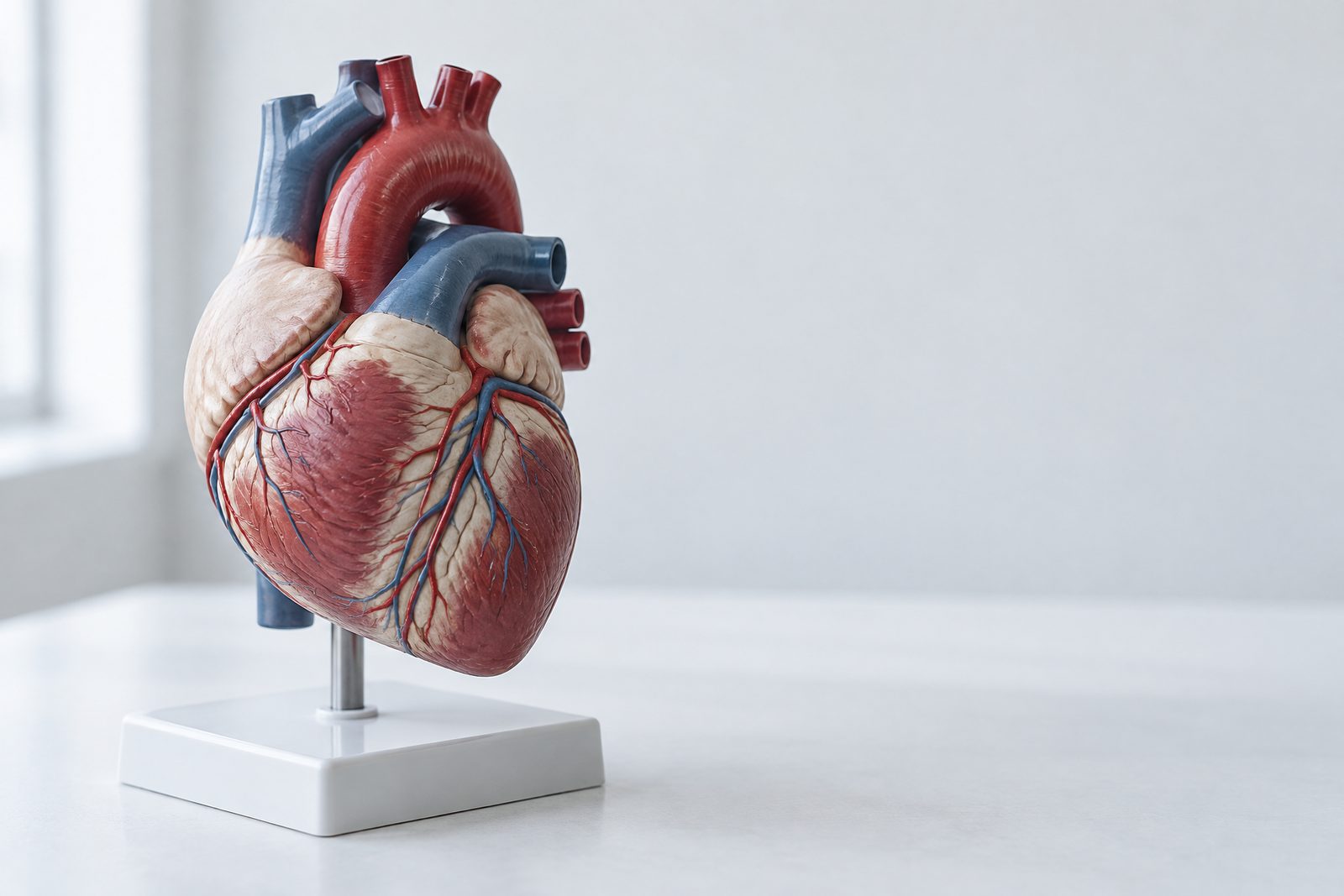 Heart FailureA long-term condition in which the heart cannot pump enough blood to meet the body's needs.
 Sports CardiologyThe field concerned with assessing heart health in people who exercise or are about to take up sport.
 Preventive CardiologyAims to prevent heart and blood vessel disease before it develops and to keep risk factors under control.
Read more on the topic
Short patient information articles on chest pain, blood pressure, diet and cardiac tests.