Preventive Cardiology
Preventive cardiology focuses on preventing or delaying the development of heart and blood vessel disease. A substantial share of heart attacks and strokes are linked to risk factors that can be changed. Noticing and controlling these factors early is the basis of prevention.

Risk factors
Some risk factors cannot be changed. These include age, sex and a family history of cardiovascular disease at an early age. Those that can be changed are the target of prevention. When several risk factors are present together, the overall risk rises considerably.
- Cholesterol: High LDL cholesterol in particular leads to plaque building up in the artery wall (atherosclerosis).
- High blood pressure: It strains the artery wall and speeds up damage. It usually causes no symptoms.
- Diabetes: High blood sugar damages large and small blood vessels.
- Smoking and tobacco products: These damage the inner lining of the arteries and increase clotting. Passive smoking is harmful too.
- Excess weight, especially fat around the waist
- An inactive lifestyle and an unhealthy diet
Primary prevention and risk assessment
Primary prevention means preventing disease in people who have not yet developed cardiovascular disease. Preventing new events in people who already have the disease is called secondary prevention.
Risk assessment brings together information such as age, sex, smoking, blood pressure and cholesterol values. With this information, the likelihood of having a heart attack or stroke in the coming years is estimated using risk charts. The overall risk is considered, not a single value.
The calculated level of risk guides the doctor in setting target values for blood pressure and cholesterol and in deciding whether medication is needed.
Lifestyle
Lifestyle measures are recommended at every level of risk and still apply to people who are on medication.
- Give up tobacco products completely
- Eat a diet based mainly on vegetables, fruit, pulses, whole grains, fish and olive oil
- Cut down on salt, sugar, processed meat and foods containing trans fats
- Do moderate-intensity exercise, such as brisk walking, on most days of the week
- Aim to reach a healthy weight and to keep it
- Limit alcohol, and get enough regular sleep
Medication and follow-up
When lifestyle changes are not enough or the risk is high, medication may be started for cholesterol, blood pressure or blood sugar. These treatments are usually long-term and should not be stopped without a doctor's advice, even if the values improve.
Taking aspirin for prevention is not suitable for everyone who does not have the disease. Because of the risk of bleeding, this decision is made by the doctor for each individual. Knowing your blood pressure, blood sugar and cholesterol values and having them measured at set intervals is a practical step in prevention.
This page is provided for general information. Decisions about diagnosis and treatment are made by a physician after examining you.
Frequently asked questions
My cholesterol is high but I have no symptoms. Does it matter?
High cholesterol causes no symptoms, and its effect appears as it builds up in the arteries over the years. So having no symptoms does not mean there is no risk. Whether treatment is needed depends on your overall risk.
There is heart disease in my family. Will I get it too?
A family history raises the risk, but it does not mean the disease will definitely develop. Controlling the risk factors that can be changed matters even more for these people. If a first-degree relative had heart disease at an early age, you need to tell your doctor.
Is it enough to cut down on smoking?
Smoking even a small number of cigarettes raises cardiovascular risk. The goal is therefore to stop completely. Support is available from stop-smoking clinics while you are giving up.
Other areas of expertise
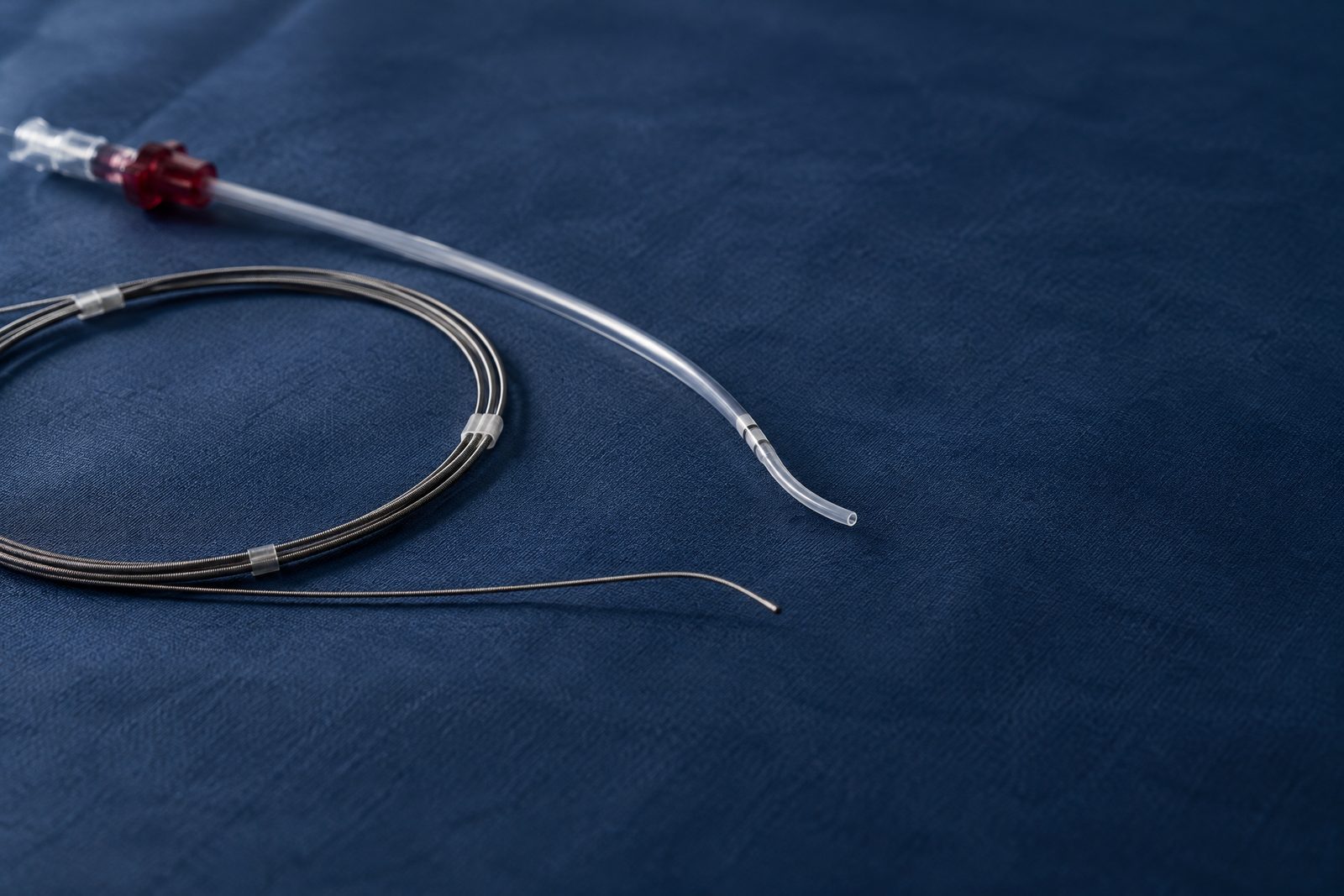 Coronary AngiographyA diagnostic procedure that uses contrast dye and X-rays to image the arteries supplying the heart.
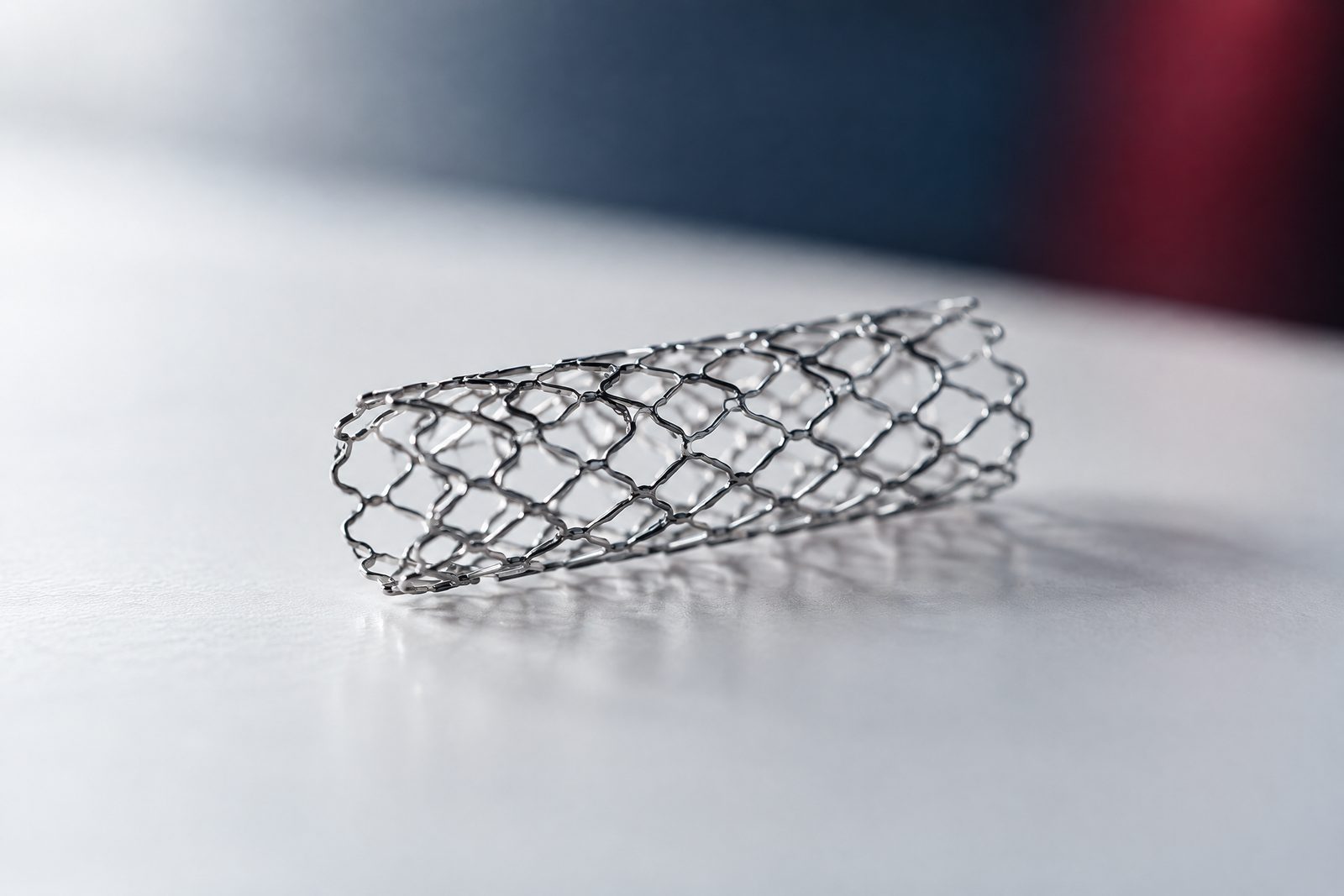 Balloon Angioplasty and StentingA procedure that widens narrowed or blocked heart arteries with a balloon and keeps them open with a stent.
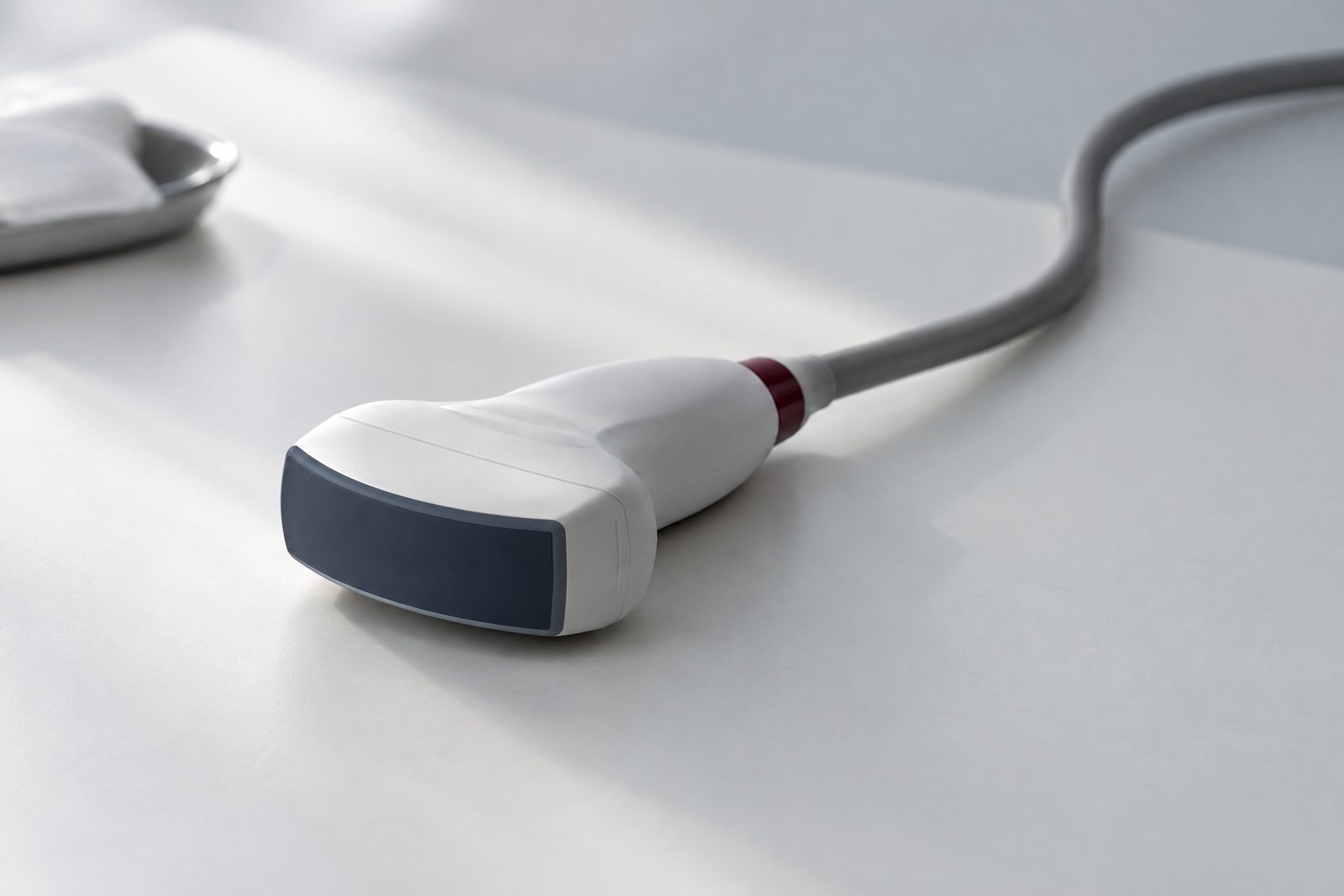 Echocardiography (Echo)A test that uses sound waves, with no radiation, to image the structure and function of the heart.
Read more on the topic
Short patient information articles on chest pain, blood pressure, diet and cardiac tests.